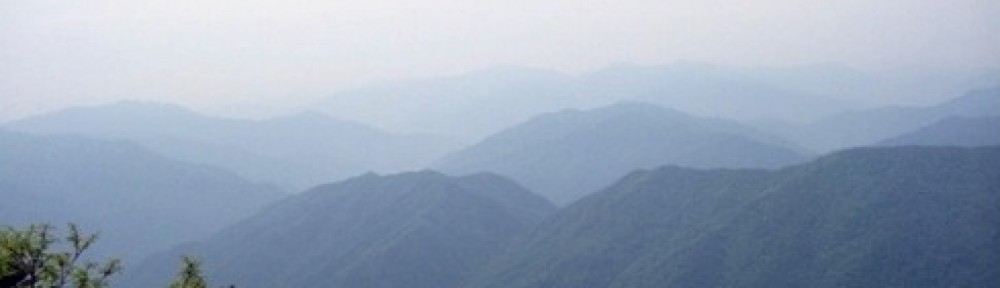
At the Winter River by Chung Ho-seung

Translated by Chae-Pyong Song
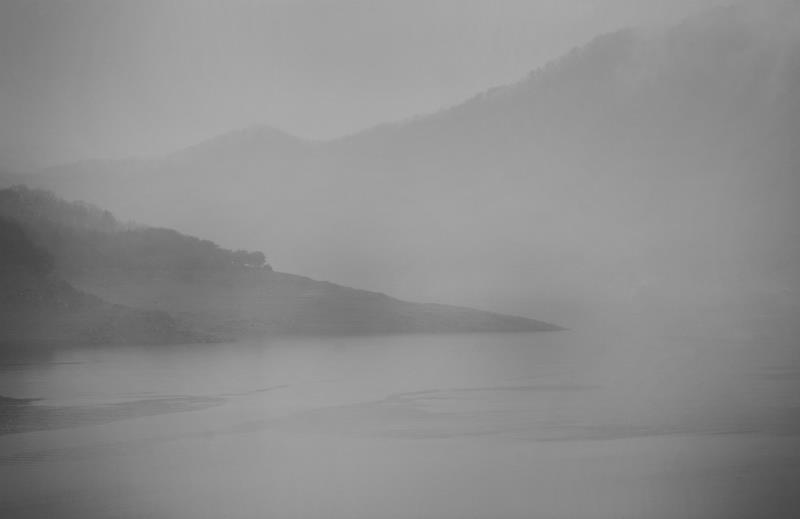
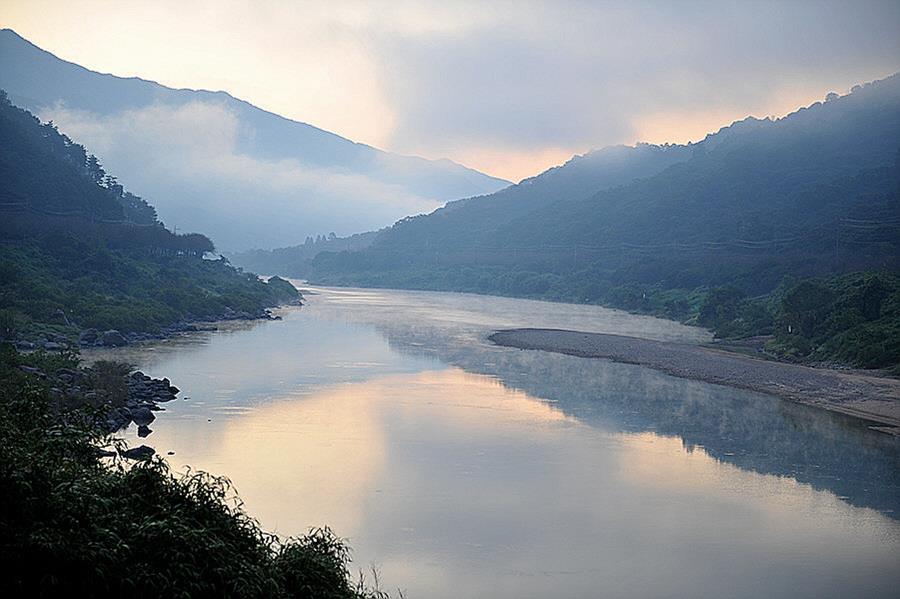
Soyang Lake, Photo by Lee Sang-youp

At the Winter River by Chung Ho-seung

I will become a reed that doesn’t shake.
And even when the snow storm blows at the winter river bank
and even when my body falls into pieces during the storm,
I will become a reed that doesn’t shake.
The birds have flown away and not returned,
the river water has flown away and not wept–
I will become a reed that never shakes,
I will become a reed that rises again when broken down,
and will cry out if the Blue Mountain cries.

겨울 강에서/ 정호승

흔들리지 않는 갈대가 되어
겨울 강 강언덕에 눈보라 몰아쳐도
눈보라에 으스스 내 몸이 쓰러져도
흔들리지 않는 갈대가 되리
새들은 날아가 돌아오지 않고
강물은 흘러가 흐느끼지 않아도
끝끝내 흔들리지 않는 갈대가 되어
쓰러지면 일어서는 갈대가 되어
청산이 소리치면 소리쳐 울리

(Darcy Brandel and Anne Rashid read the earlier versions of this translation.)

Chung Ho-seung was born in 1950, in Hadong, Gyongsangnam-do. Since his debut in 1972 with a poem featured in the Korea Daily News, Chung has published many poetry collections, such asFrom Sorrow to HappinessJesus of Seoul, and Dawn Letter, which has achieved both critical acclaim and mass appeal. His minimal verse style interweaves the everday and the fantastic, proposing the possibility of lyrical revelation in even the most prosaic encounters.

The Pine Tree by Chung Ho-seung

Translated by Chae-Pyong Song

Painted by Song Seung-ho

The Pine Tree by Chung Ho-seung

The young pine trees,
their roots all wrapped in plastic,
are leaving for somewhere
in a truck.

When the spring rain stops,
some will live, planting their roots,
and others will die
somewhere.

When the pine tree dies
there is nothing to throw away,
but when a human dies
there is much to throw away.

소나무/ 정호승

비닐로 뿌리를 친친 동여맨
어린 소나무들이
트럭에 실려
어디론가 떠나간다

봄비 그치면
더러는 뿌리내려 살기도 하고
더러는 어디에서
죽기도 할 것이다

소나무는 죽으면
버릴 게 없으나
사람은 죽으면
버릴 게 너무 많다

(Darcy Brandel and Anne Rashid read the earlier versions of this translation.)

Chung Ho-seung was born in 1950, in Hadong, Gyongsangnam-do. Since his debut in 1972 with a poem featured in the Korea Daily News, Chung has published many poetry collections, such asFrom Sorrow to HappinessJesus of Seoul, and Dawn Letter, which has achieved both critical acclaim and mass appeal. His minimal verse style interweaves the everday and the fantastic, proposing the possibility of lyrical revelation in even the most prosaic encounters.

Flowers by Chung Ho-seung

Translated by Chae-Pyong Song

Painted by Kim Seon-soo

Flowers by Chung Ho-seung

I pull out the nails driven into the heart
and plant flowers in that place;
I pull up the stake driven into the heart
and plant flowers in that place.
If flowers were people’s tears
how beautiful would humans be?
If flowers were people’s dreams
how beautiful would humans be?

/ 정호승

마음속에 박힌 못을 뽑아
그 자리에 꽃을 심는다
마음속에 박힌 말뚝을 뽑아
그 자리에 꽃을 심는다
꽃이 인간의 눈물이라면
인간은 그 얼마나 아름다운가
꽃이 인간의 꿈이라면
인간은 그 얼마나 아름다운가

(Darcy Brandel and Anne Rashid read the earlier versions of this translation.)

Chung Ho-seung was born in 1950, in Hadong, Gyongsangnam-do. Since his debut in 1972 with a poem featured in the Korea Daily News, Chung has published many poetry collections, such asFrom Sorrow to HappinessJesus of Seoul, and Dawn Letter, which has achieved both critical acclaim and mass appeal. His minimal verse style interweaves the everday and the fantastic, proposing the possibility of lyrical revelation in even the most prosaic encounters.

The Winter Sky by Seo Jung-ju

Translated by Chae-Pyong Song

Photo by Jung Jeong-im

The Winter Sky by Seo Jung-ju

With the dream of long nights, I wash clean
the beautiful eyebrow of my love in my heart
and transplanted the crescent to the sky.
The fierce bird of dead winter
recognizes its worth and swerves aside.

동천/ 서정주

내 마음 속 우리 님의 고운 눈썹을
즈믄 밤의 꿈으로 맑게 씻어서
하늘에다 옮기어 심어 놨더니
동지 섣달 나르는 매서운 새가
그걸 알고 시늉하며 비끼어 가네

(Darcy Brandel and Melanie Steyn read the earlier versions of this translation.)

Seo Jeong-ju (1915 – 2000) was born in Gochang, Jeollabuk-do. He is considered the founding father of modern Korean poetry. Under the pen name Midang, he published at least 15 collections of poetry. He taught Korean literature at Chosun University, among others. He was also nominated five times for the Nobel Prize in literature. His grandmother’s stories and his interest in Buddhism had a strong influence upon his writing. His works have been translated into a number of languages, including English, French, Spanish and German.

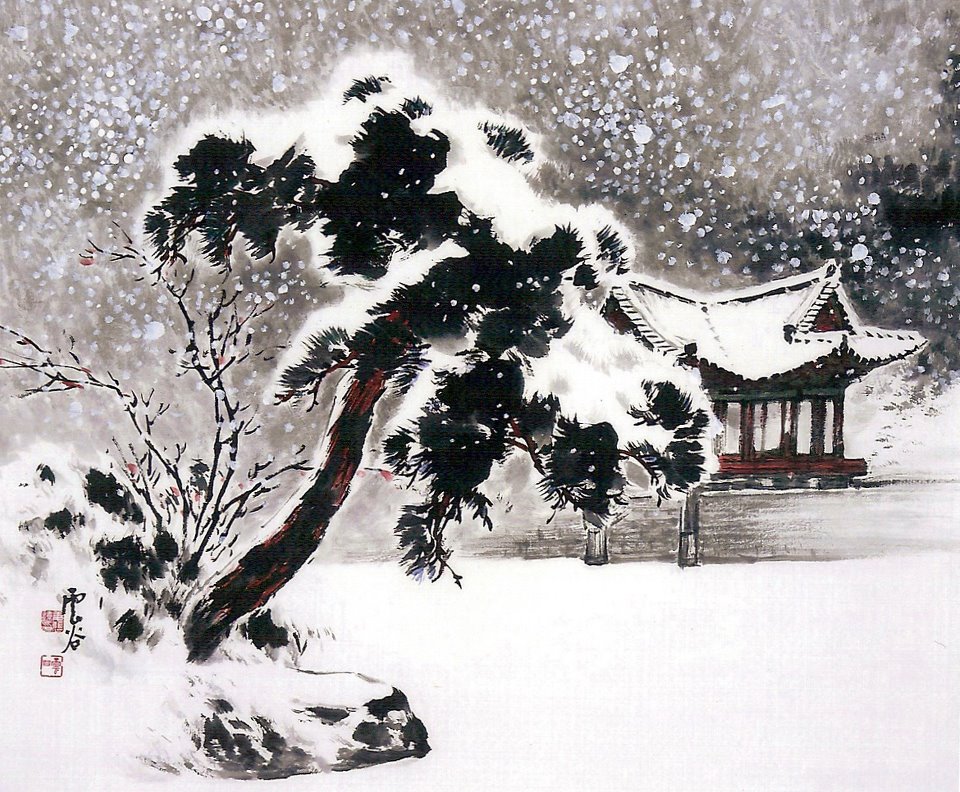
Love Song for the Hill of Limits by Moon Jung-hee

Translated by Chae-Pyong Song and Anne Rashid

Painted by Kang Jang-won

Love Song for the Hill of Limits by Moon Jung-hee

In deep winter, as I drive over Hangyeryong, the Hill of Limits
with the one I love
I would like to run into an unexpected snow storm.
The news networks compete to report the most snow in a decade.
Sputtering along,
the cars hurry to return to their spots,
but I would rather be held up, overwhelmed by the limits of Hangyeryong.

Oh, the blinding isolation—
would that my fate, not my feet, be held up here
in this fairytale land surrounded by white in all four directions.

When the day quickly darkens,
the abundant snow will turn to terror little by little,
and reality will begin to cast the color of fear.
Even when a helicopter appears,
I would never wave my hand,
even when it drops food
for the wild birds and animals trapped in the snow.

Even when the helicopters,
which sprayed dark bombs
toward the newly alive, young hearts,
mercifully drop the rations evenly
for the daily meals of the  elk and pheasants,
I will not even show the hem of my dress.

I would not know what to do with this brief blessing,
willingly kept by the beautiful Hangyeryong.

한계령을 위한 연가/ 문 정 희

한겨울 못 잊을 사람하고
한계령쯤을 넘다가
뜻밖의 폭설을 만나고 싶다.
뉴스는 다투어 수십 년 만의 풍요를 알리고
자동차들은 뒤뚱거리며
제 구멍들을 찾아가느라 법석이지만
한계령의 한계에 못 이긴 척 기꺼이 묶였으면.

오오, 눈부신 고립
사방이 온통 흰 것뿐인 동화의 나라에
발이 아니라 운명이 묶였으면.

이윽고 날이 어두워지면 풍요는
조금씩 공포로 변하고, 현실은
두려움의 색채를 드리우기 시작하지만
헬리콥터가 나타났을 때에도
나는 결코 손을 흔들지는 않으리.
헬리콥터가 눈 속에 갇힌 야생조들과
짐승들을 위해 골고루 먹이를 뿌릴 때에도…

시퍼렇게 살아 있는 젊은 심장을 향해
까아만 포탄을 뿌려대던 헬리콥터들이
고라니나 꿩들의 일용할 양식을 위해
자비롭게 골고루 먹이를 뿌릴 때에도
나는 결코 옷자락을 보이지 않으리.

아름다운 한계령에 기꺼이 묶여
난생 처음 짧은 축복에 몸둘 바를 모르리.

(Originally published in The Gwangju News, January, 2012)

Mun Jung-hee (1947- ) was born in Bosung, Jeollanam-do. She received her Ph.D. from Seoul Women’s University. She made her literary debut in 1969 in The Literature Monthly. Her poetry collections include The Baby Brier, For Men, Now Following the Rose, I am the Door, The Joy of Love, and The Prolific Virgin. She received such prestigious awards as the Modern Literature Award and the Sowol Poetry Award.

Cold Rice by Moon Jung-hee

Translated by Chae-Pyong Song and Anne Rashid

Painted by Hwang Soon-ok

Cold Rice by Moon Jung-hee

Rousing my sick body, I eat cold rice alone—
the ice in the cold rice pokes my throat.
We live in a world where people can cook hot rice so easily
just by pressing a button
on one of the kitchen appliances.
It’s not easy to have cold rice,
but today I eat it alone.
The woman who ate cold rice
made hot rice for the family.
The woman who scrubbed cold rice from the chipped-off bowl,
picking at the radish remnants someone left,
and licking off the fish bones,
radiated the warmest love from her body.
Longing for the hand that rattled alone
even in the deep night,
I rouse my sick body
and eat cold rice.
They say, a god couldn’t be sent to every house,
so she was sent, in lieu of a god.
In the cold rice I eat alone today I meet her,
becoming the cold rice of the world.

찬밥/ 문정희

아픈 몸 일으켜 혼자 찬밥을 먹는다
찬밥 속에 서릿발이 목을 쑤신다
부엌에는 각종 전기 제품이 있어
일 분만 단추를 눌러도 따끈한 밥이 되는 세상
찬밥을 먹기도 쉽지 않지만
오늘 혼자 찬밥을 먹는다
가족에겐 따스한 밥 지어 먹이고
찬밥을 먹던 사람
이 빠진 그릇에 찬밥 훑어
누가 남긴 무 조각에 생선 가시를 핥고
몸에서는 제일 따스한 사랑을 뿜던 그녀
깊은 밤에도
혼자 달그락거리던 그 손이 그리워
나 오늘 아픈 몸 일으켜 찬밥을 먹는다
집집마다 신을 보낼 수 없어
신 대신 보냈다는 설도 있지만
홀로 먹는 찬밥 속에서 그녀를 만난다
나 오늘
세상의 찬밥이 되어

(Originally published in The Gwangju News, January, 2012)

Mun Jung-hee (1947- ) was born in Bosung, Jeollanam-do. She received her Ph.D. from Seoul Women’s University. She made her literary debut in 1969 in The Literature Monthly. Her poetry collections include The Baby Brier, For Men, Now Following the Rose, I am the Door, The Joy of Love, and The Prolific Virgin. She received such prestigious awards as the Modern Literature Award and the Sowol Poetry Award. 

A Winter Diary by Moon Jung-hee

Translated by Chae-Pyong Song and Anne Rashid

Painted by Kang Jang-won

A Winter Diary by Moon Jung-hee

I have spent this winter lying down.
I have lost my loved one–
the monologues have ended
that I rolled, shiny like a rosary;
the wind has stopped,
and I have spent this winter comfortably, lying down.

Even when the naked trees in that field cry because they are cold,
even when they become a forest, leaning on one another–
having nothing to do with them, I never bothered to open the door even once;
like a ruminant, I took out only death to chew.

I spent this winter
comfortably, lying down
when I lost my loved one.

겨울 일기 / 문정희

나는 이 겨울을 누워 지냈다.
사랑하는 사람을 잃어버려
염주처럼 윤나게 굴리던
독백도 끝이 나고
바람도 불지 않아
이 겨울 누워서 편히 지냈다.

저 들에선 벌거벗은 나무들이 추워 울어도
서로 서로 기대어 숲이 되어도
나는 무관해서 문 한번 열지 않고
반추동물처럼 죽음만 꺼내 씹었다.

나는 누워서 편히 지냈다.
사랑하는 사람을 잃어버린
이 겨울.

(Originally published in The Gwangju News, January, 2012)

Mun Jung-hee (1947- ) was born in Bosung, Jeollanam-do. She received her Ph.D. from Seoul Women’s University. She made her literary debut in 1969 in The Literature Monthly. Her poetry collections include The Baby Brier, For Men, Now Following the Rose, I am the Door, The Joy of Love, and The Prolific Virgin. She received such prestigious awards as the Modern Literature Award and the Sowol Poetry Award.

Memory by Moon Jung-hee

Translated by Chae-Pyong Song and Anne Rashid

Photographed by Kim Min-gon

Memory by Moon Jung-hee 

One person departed,
and all of Seoul is empty;
suddenly the world has changed into an opaque screen.
What you have left behind
is a magical memory
that will not melt in any time.
Today I burn my body
with its flame.

기억 /문정희

한 사람이 떠났는데
서울이 텅 비었다
일시에 세상이 흐린 화면으로 바뀌었다
네가 남긴 것은
어떤 시간에도 녹지 않는
마법의 기억
오늘 그 불꽃으로
내 몸을 태운다

Mun Jung-hee (1947- ) was born in Bosung, Jeollanam-do. She received her Ph.D. from Seoul Women’s University. She made her literary debut in 1969 in The Literature Monthly. Her poetry collections include The Baby Brier, For Men, Now Following the Rose, I am the Door, The Joy of Love, and The Prolific Virgin. She received such prestigious awards as the Modern Literature Award and the Sowol Poetry Award. 

Like Water, I Flow by Kim Nam-ju

Translated by Chae-Pyong Song and Anne Rashid

The Sumjin River, photographed by Nam Hee-jin

Like Water, I Flow by Kim Nam-ju

On and on, where does water flow?
I ask the water, following water myself.
As I meet the new spring carried in by the brisk eastern wind,
I will flow on and on into a stream,
moisten the pebbles,
wash away the dead skin on the naughty boy’s feet that have sat all winter.

On and on, where does water flow?
I ask the water,
following water myself.
As I meet a farmer in the draught
under summer’s penetrating sun
I will flow on and on into a ditch
to ease the farmer’s worry
and to dampen the rice stalks in the burning field

On and on, where does water flow?
I ask the water, following water myself.
Since the half moon rises upon the hill,
soon Chusok will come.
I will flow on and on over the shallows holding moonlight
to run the water mill and pound rice into flour.

On and on, where does water flow?
I ask the water, following water myself.
Summer followed spring, and now fall deepens.
I too will flow into a deep river gently
and go to a warm port to hibernate.

물 따라 흘러 가면서/ 김남주

흘러 흘러서
물은 어디로 가나
물 따라 나도 가면서 물에게 물어본다
건듯건듯 동풍이 불어 새봄을 맞이했으니
졸졸졸 시내로 흘러 조약돌을
적시고
겨우내 낀 개구쟁이의 발때를 벗기러 가지

흘러 흘러서 물은 어디로 가나
물 따라 나도 가면서 물에게
물어본다
오뉴월 뙤약볕에 가뭄의 농부를 만났으니
돌돌돌 도랑으로 흘러 농부의 애간장을 녹이고
타는 들녘 벼포기를 적시러
가지

흘러 흘러서 물은 어디로 가나
물 따라 나도 가면서 물에게 물어본다
동산에 반달이 떴으니 낼 모래가
추석이라
넘실넘실 개여울로 흘러 달빛을 머금고
물레방아를 돌려 떡방아를 찧으러 가지

흘러 흘러서 물은 어디로
가나
물 따라 나도 가면서 물에게 물어본다
봄 따라 여름 가고 가을도 깊었으니
나도 이제 깊은 강 잔잔하게 흘러
어디
따뜻한 포구로 겨울잠을 자러 가지

Kim Nam-ju (1946-1994) was born in Haenam, Jeollanam-do and studied English at Chonnam National University. He is known as one of the major resistance poets in South Korea, leading the people’s movement in the 1970s and 80s that ultimately toppled the dictatorship in Korea. Because of his activism, he was imprisoned twice, for more than ten years in total. In prison where paper and pencil were not allowed, he wrote many poems on milk cartons with the nail he made by grinding a toothbrush. These poems were later published in two collected volumes of his prison poetry, The Sunlight on the Prison Bar. His poetry bears witness to the tyranny of dictatorship and the hardships of the oppressed. He published such poetry collections as Requiem, My Sword My Blood, One Fatherland, The Weapon of Love and In This Lovely World. He received the Yun Sang-won Literary Award in 1993 and the National Literary Award in 1994. His poems have also been memorialized by Korean activist, rock singer An Chi-hwan in his album entitled Remember.

Stars by Kim Nam-ju

Translated by Chae-Pyong Song and Anne Rashid

Painted by Jung Jeong-im

Stars by Kim Nam-ju

The night falls,
and the world is quiet all over.
There is one thing that stays awake
all night, glowing
with longing, unable to sleep.
People call it a star,
a promise, a hope.
When the night deepens
and people suffer most,
they become stars one by one
and cry Mother, Mother.

별/ 김남주

밤 들어 세상은
온통 고요한데
그리워 못 잊어 홀로 잠 못 이뤄
불 밝혀 지새우는 것이 있다
사람들은 그것을 별이라 그런다
기약이라 소망이라 그런다
밤 깊어
가장 괴로울 때면
사람들은 저마다 별이 되어
어머니 어머니라 부른다

Kim Nam-ju (1946-1994) was born in Haenam, Jeollanam-do and studied English at Chonnam National University. He is known as one of the major resistance poets in South Korea, leading the people’s movement in the 1970s and 80s that ultimately toppled the dictatorship in Korea. Because of his activism, he was imprisoned twice, for more than ten years in total. In prison where paper and pencil were not allowed, he wrote many poems on milk cartons with the nail he made by grinding a toothbrush. These poems were later published in two collected volumes of his prison poetry, The Sunlight on the Prison Bar. His poetry bears witness to the tyranny of dictatorship and the hardships of the oppressed. He published such poetry collections as Requiem, My Sword My Blood, One Fatherland, The Weapon of Love and In This Lovely World. He received the Yun Sang-won Literary Award in 1993 and the National Literary Award in 1994. His poems have also been memorialized by Korean activist, rock singer An Chi-hwan in his album entitled Remember.