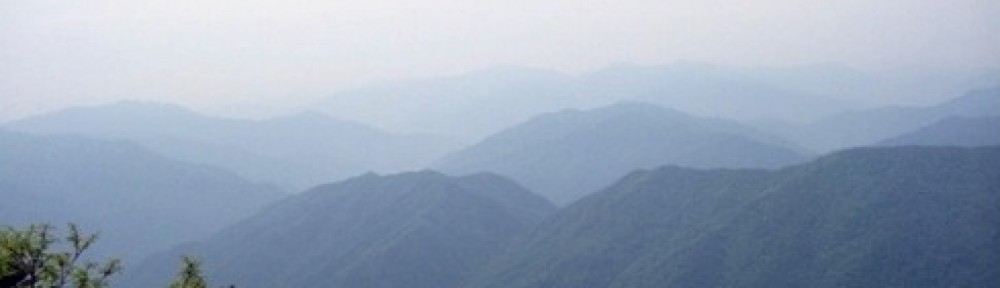
Odong-do Island by Lee Si-young

Translated by Chae-Pyong Song and Anne Rashid

Photography by Choi Il-ryoung


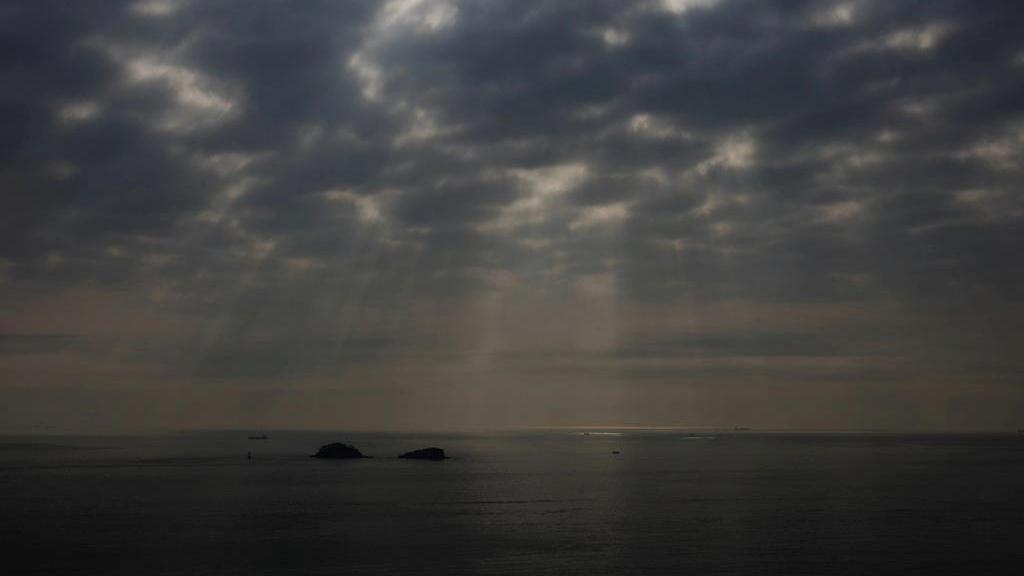
Odong-do Island by Lee Si-young

After this wind, camellias will bloom.
Sea and sky, freeze the wind for three or four days.

오동도/ 이시영

이 바람 지나면 동백꽃 핀다
바다여 하늘이여 한 사나흘 꽝꽝 추워라
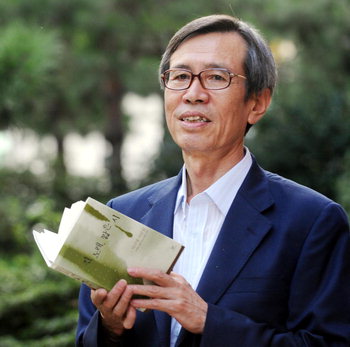
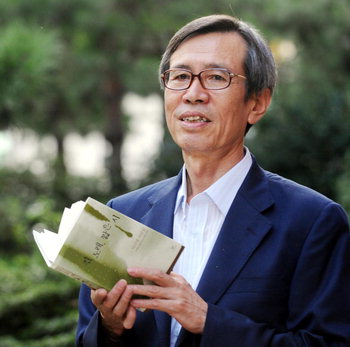
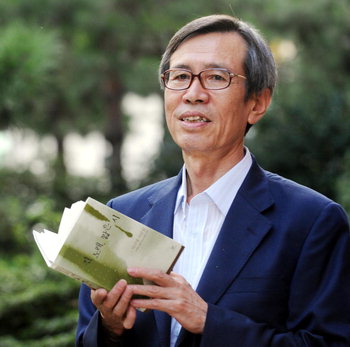
Lee Si-young (1949- ) was born in Gurye, Jeollanamdo. He studied creative writing at Seorabeol College of Arts. Since his literary debut in 1969, he has published poetry collections such as The Full Moon (1976), Into the Wind (1986), Friend, the Road Is Far (1988), The Song Dangling with Dew (1991), The Pattern (1994), The Gap (1996), The Quiet Blue Sky (1997), The Silver Whistle (2003), The Sea Lake (2004), The Aroma of Cow Dung(2005), and For Our Dead (2007). He has received many prestigious literary awards, including The Jung Ji-yong Literary Award (1996), The Dongseo Literary Award (1998), Modern Buddhist Literary Award (2004), The Jihoon Award (2004) and The Baeksok Literary Award (2004). For the last forty years, he has strived to write “poetry, resisting the reality and contradictions of the day.” He currently teaches creative writing at Dankuk University in Seoul.
A Spring Day by Lee Si-young

Translated by Chae-Pyong Song and Anne Rashid

Photography by Hye Hyon

A Spring Day by Lee Si-young

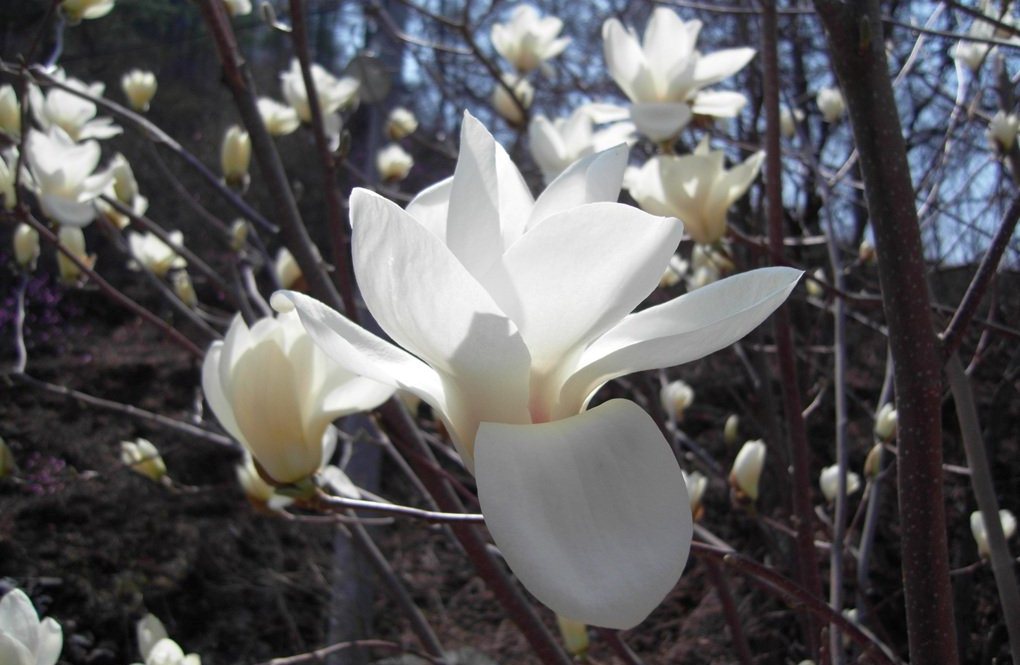
It was a spring day with magnolias in full bloom. Noor Fuad, 30 years old,
an illegal immigrant laborer from Indonesia, was spending rare
leisure time with his wife Leena on the third floor of the dormitory
of a factory in Incheon. It was a morning when the magnolias were in full bloom.
With loud stomping, immigration officers suddenly rushed
into the building and, without any words, started to handcuff
their wrists. He pleaded to be unshackled for a minute in order to change his clothes. And in that brief moment, Fuad jumped through a window to the rooftop of an adjacent building,
but he lost his footing and fell to the ground. It was a bright spring morning
when the magnolias were in full bloom.

봄날/ 이시영

목련이 활짝 핀 봄날이었다. 인도네시아 출신의 불법체류
노동자 누르 푸아드(30세)는 인천의 한 업체 기숙사 3층에서
모처럼 아내 리나와 함께 단란한 시간을 보내고 있었다. 목련이
활짝 핀 아침이었다. 우당탕거리는 구둣발 소리와 함께 갑자기
들이닥친 출입국관리사무소 직원들이 다짜고짜 그와 아내의 손목에
수갑을 채우기 시작했다. 겉옷을 갈아입겠다며 잠시 수갑을
풀어달라고 했다. 그리고 그 짧은 순간 푸아드는 창문을 통해
옆건물 옥상으로 뛰어내리다 그만 발을 헛디뎌 바닥으로 떨어져
숨지고 말았다. 목련이 활짝 핀 눈부신 봄날 아침이었다.

Lee Si-young (1949- ) was born in Gurye, Jeollanamdo. He studied creative writing at Seorabeol College of Arts. Since his literary debut in 1969, he has published poetry collections such as The Full Moon (1976), Into the Wind (1986), Friend, the Road Is Far (1988), The Song Dangling with Dew (1991), The Pattern (1994), The Gap (1996), The Quiet Blue Sky (1997), The Silver Whistle (2003), The Sea Lake (2004), The Aroma of Cow Dung(2005), and For Our Dead (2007). He has received many prestigious literary awards, including The Jung Ji-yong Literary Award (1996), The Dongseo Literary Award (1998), Modern Buddhist Literary Award (2004), The Jihoon Award (2004) and The Baeksok Literary Award (2004). For the last forty years, he has strived to write “poetry, resisting the reality and contradictions of the day.” He currently teaches creative writing at Dankuk University in Seoul.

Prologue by Lee Si-young

Translated by Chae-Pyong Song and Anne Rashid

Photography by Kim Kyung-sang


Prologue by Lee Si-young

Come quickly, the face I miss,
the one who left to set foot over the mountain, across the water.
Even when the bamboo leaves rustle, the faces await you–
they burn their sad eyes, opening the paper screen.
Before this night ends, come, shaking the ground,
and let us hasten to listen to Mother’s long story.

서시/이시영

어서 오라 그리운 얼굴
산 넘고 물 건너 발 디디러 간 사람아
댓잎만 살랑여도 너 기다리는 얼굴들
봉창 열고 슬픈 눈동자를 태우는데
이 밤이 새기 전에 땅을 울리며 오라
어서 어머님의 긴 이야기를 듣자

<1976년>

Lee Si-young (1949- ) was born in Gurye, Jeollanamdo. He studied creative writing at Seorabeol College of Arts. Since his literary debut in 1969, he has published poetry collections such as The Full Moon (1976), Into the Wind (1986), Friend, the Road Is Far (1988), The Song Dangling with Dew (1991), The Pattern (1994), The Gap (1996), The Quiet Blue Sky (1997), The Silver Whistle (2003), The Sea Lake (2004), The Aroma of Cow Dung(2005), and For Our Dead (2007). He has received many prestigious literary awards, including The Jung Ji-yong Literary Award (1996), The Dongseo Literary Award (1998), Modern Buddhist Literary Award (2004), The Jihoon Award (2004) and The Baeksok Literary Award (2004). For the last forty years, he has strived to write “poetry, resisting the reality and contradictions of the day.” He currently teaches creative writing at Dankuk University in Seoul.
An Autumn Day by Lee Si-young

Translated by Chae-Pyong Song and Anne Rashid

Photography by Lee Won-kyu

An Autumn Day by Lee Si-young

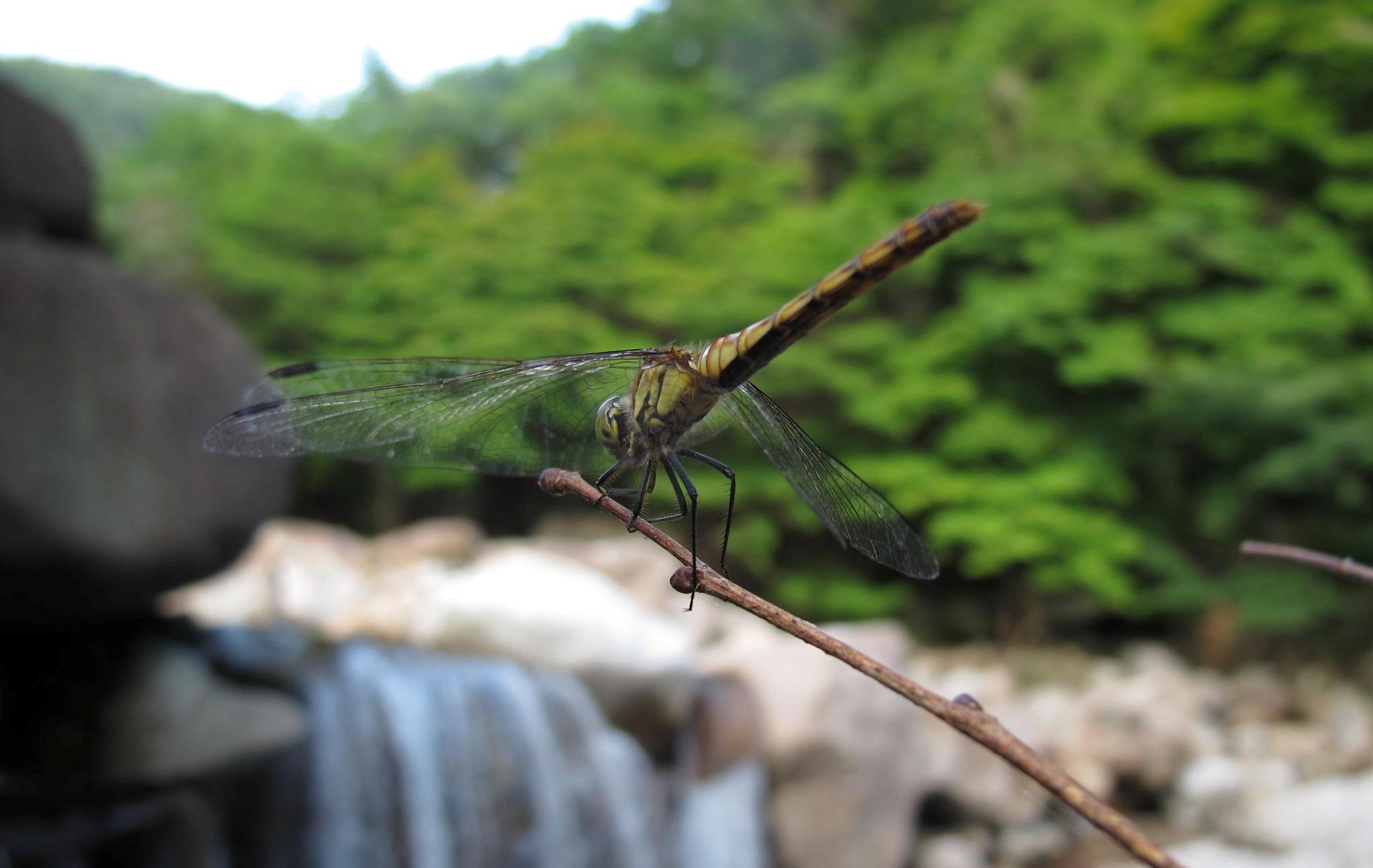
A dragonfly sat on the end of a persimmon branch
and dozed off all day.
Even with wind, it did not shake;
even with a cold rain smacking the branch,
it did not move over.
When I quietly approached it,
I was startled to see,
right there, it had arrived in Nirvana.

가을날/ 이시영

잠자리 한 마리가 감나무 가지 끝에 앉아
종일을 졸고 있다
바람이 불어도 흔들리지 않고
차가운 소나기가 가지를 후려쳐도
옮겨앉지 않는다
가만히 다가가보니
거기 그대로 그만 아슬히 입적하시었다

Lee Si-young (1949- ) was born in Gurye, Jeollanamdo. He studied creative writing at Seorabeol College of Arts. Since his literary debut in 1969, he has published poetry collections such as The Full Moon (1976), Into the Wind (1986), Friend, the Road Is Far (1988), The Song Dangling with Dew (1991), The Pattern (1994), The Gap (1996), The Quiet Blue Sky (1997), The Silver Whistle (2003), The Sea Lake (2004), The Aroma of Cow Dung(2005), and For Our Dead (2007). He has received many prestigious literary awards, including The Jung Ji-yong Literary Award (1996), The Dongseo Literary Award (1998), Modern Buddhist Literary Award (2004), The Jihoon Award (2004) and The Baeksok Literary Award (2004). For the last forty years, he has strived to write “poetry, resisting the reality and contradictions of the day.” He currently teaches creative writing at Dankuk University in Seoul.
Poetry by Lee Si-young

Translated by Chae-Pyong Song and Anne Rashid

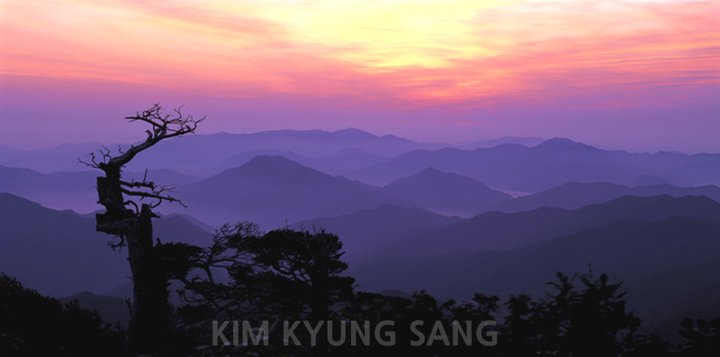
Taebaek Mountain, Photography by Kim Kyung-sang

Poetry by Lee Si-young

Like an arrow that goes through air
and sticks to the target,
its whole body quivering.
If only my language
could go through the wind
and touch someone’s heart
and enter it deeply, shaking hard.
Like a seed fire,
or like the first song of love
made with the whole body.

(詩)

화살 하나가 공중을 가르고 과녁에 박혀
전신을 떨듯이
나는 나의 언어가
바람 속을 뚫고 누군가의 가슴에 닿아
마구 떨리면서 깊어졌으면 좋겠다
불씨처럼
아니 온몸의 사랑의 첫 발성처럼

Lee Si-young (1949- ) was born in Gurye, Jeollanamdo. He studied creative writing at Seorabeol College of Arts. Since his literary debut in 1969, he has published poetry collections such as The Full Moon (1976), Into the Wind (1986), Friend, the Road Is Far (1988), The Song Dangling with Dew (1991), The Pattern (1994), The Gap (1996), The Quiet Blue Sky (1997), The Silver Whistle (2003), The Sea Lake (2004), The Aroma of Cow Dung(2005), and For Our Dead (2007). He has received many prestigious literary awards, including The Jung Ji-yong Literary Award (1996), The Dongseo Literary Award (1998), Modern Buddhist Literary Award (2004), The Jihoon Award (2004) and The Baeksok Literary Award (2004). For the last forty years, he has strived to write “poetry, resisting the reality and contradictions of the day.” He currently teaches creative writing at Dankuk University in Seoul.

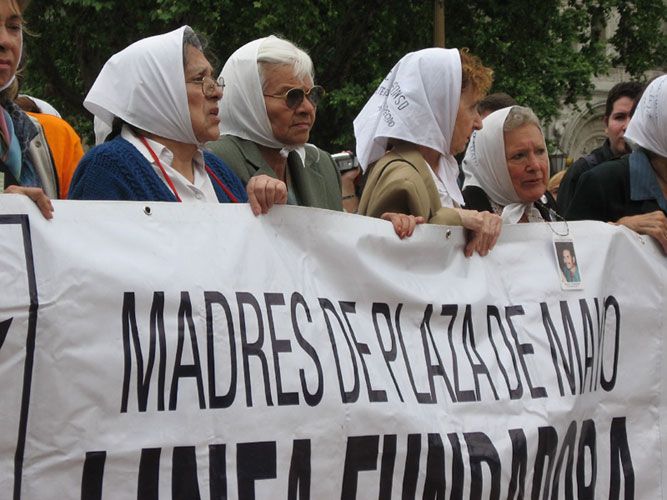
The Mothers’ Association of the May Plaza by Lee Si-young

Translated by Chae-Pyong Song and Anne Rashid

The Mothers’ Association of the May Plaza by Lee Si-young

The Argentinian Mothers’ Association of the May Plaza
is known to have adhered to three rules.
First, they will not dig up the bodies of their missing children;
second, they will not erect memorials to them;
third, they will not receive monetary rewards.
Because within their hearts their children have never died,
they cannot imprison the noble spirits of their children
within the cold stones, and they cannot take money
which would desecrate their children’s  souls
who have been either dead or missing
in their rebellion against injustice.

5월 어머니회/ 이시영

아르헨띠나의 ‘5월 어머니회’는 지금도 세 가지의 금도를
지킨다고 한다. 첫째로 실종된 자식들의 주검을 발굴하지 않으며,
둘째로 기념비를 세우지 않으며, 셋째로 금전보상을 받지 않는다.
왜냐하면 아이들은 아직 그들의 가슴속에서 결코 죽은 것이 아니며,
그들의 고귀한 정신을 절대로 차가운 돌 속에 가둘 수 없으며,
불의에 항거하다 죽거나 실종된 자식들의 영혼을 돈으로 모독할
수 없기 때문이다.

Lee Si-young (1949- ) was born in Gurye, Jeollanamdo. He studied creative writing at Seorabeol College of Arts. Since his literary debut in 1969, he has published poetry collections such as The Full Moon (1976), Into the Wind (1986), Friend, the Road Is Far (1988), The Song Dangling with Dew (1991), The Pattern (1994), The Gap (1996), The Quiet Blue Sky (1997), The Silver Whistle (2003), The Sea Lake (2004), The Aroma of Cow Dung(2005), and For Our Dead (2007). He has received many prestigious literary awards, including The Jung Ji-yong Literary Award (1996), The Dongseo Literary Award (1998), Modern Buddhist Literary Award (2004), The Jihoon Award (2004) and The Baeksok Literary Award (2004). For the last forty years, he has strived to write “poetry, resisting the reality and contradictions of the day.” He currently teaches creative writing at Dankuk University in Seoul.
At Cargill Middle School by Lee Si-young

Translated by Chae-Pyong Song and Anne Rashid

At Cargill Middle School by Lee Si-young

In a middle school classroom in Qana where sixty Lebanese civilians were killed, four families of refugees were living who lost their homes due to the Israelis’ indiscriminate air strikes. A young woman said she lost her younger brother, a grandmother said she lost her adult son. When a KBS reporter held a microphone to her, the woman didn’t say anything, rolling her exposed eyes within her chador, and the sobbing grandmother said with urgency, “Now there is nobody else we can rely on except Allah. He will surely help us.”

카길중학교에서/ 이시영

60여명의 레바논 민간인들이 숨진 카나 마을의 한 중학교 교실,
이스라엘군의 무차별 공습으로 집이 날아간 네 가족의 난민들이
살고 있었다. 한 젊은 여인은 남동생을 잃었다고 했고 한 할머니는
장성한 아들을 잃었다고 했다. KBS 기자가 마이크를 들이대자
여인은 차도르 밖으로 드러난 검은 눈을 굴리면서 아무 말도 하지
않았고 할머니는 흐느끼면서 “이제 알라신밖에 의지할 곳은 없다.
그분께서 반드시 우리를 도와주실 것”이라고 힘주어 말했다.

Lee Si-young (1949- ) was born in Gurye, Jeollanamdo. He studied creative writing at Seorabeol College of Arts. Since his literary debut in 1969, he has published poetry collections such as The Full Moon (1976), Into the Wind (1986), Friend, the Road Is Far (1988), The Song Dangling with Dew (1991), The Pattern (1994), The Gap (1996), The Quiet Blue Sky (1997), The Silver Whistle (2003), The Sea Lake (2004), The Aroma of Cow Dung(2005), and For Our Dead (2007). He has received many prestigious literary awards, including The Jung Ji-yong Literary Award (1996), The Dongseo Literary Award (1998), Modern Buddhist Literary Award (2004), The Jihoon Award (2004) and The Baeksok Literary Award (2004). For the last forty years, he has strived to write “poetry, resisting the reality and contradictions of the day.” He currently teaches creative writing at Dankuk University in Seoul.

When a Branch Crosses over the Wall by Jung Kut-byol

Translated by Chae-Pyong Song and Anne Rashid

Photography by Hye Hyon

When a Branch Crosses over the Wall by Jung Kut-byol

When a drooping willow branch crossed over the wall,
it may not have been her work alone.
If the distant root—whose face she hadn’t seen even once,
and the flowers and leaves–who had put their flesh together and washed their hands of each other,
hadn’t supported her as one body,
the branch would have just shivered forever alone.

Without the persistent rain that had fallen for five long days,
without the unruly snow storm that had brought them closer together,
crossing over the wall
wouldn’t have been as exciting for the branch.
Without the forbidden wall
that had made the branch hesitant
and shut off the outside world,
the drooping willow branch would not have been able to dream
about going over the wall,
crossing over the wall’s body and climbing over the crown of the wall’s head.

So when a magnolia’s branch or a persimmon’s branch
or a rose vine or an ivy, any branch for that matter,
crosses over the wall,
the wall was a gamble as well as a guide to enlightenment,
pulling them out of obscurity.

가지가 담을 넘을 때/ 정끝별

이를테면 수양의 늘어진 가지가 담을 넘을 때
그건 수양 가지만의 일은 아니었을 것이다
얼굴 한 번 못 마주친 애먼 뿌리와
잠시 살 붙였다 적막히 손을 터는 꽃과 잎이
혼연일체 밀어주지 않았다면
가지 혼자서는 한없이 떨기만 했을 것이다

한 닷새 내리고 내리던 고집 센 비가 아니었으면
밤새 정분만 쌓던 도리없는 폭설이 아니었으면
담을 넘는다는게
가지에게는 그리 신명나는 일이 아니었을 것이다
무엇보다 가지의 마음을 머뭇 세우고
담 밖을 가둬두는
저 금단의 담이 아니었으면
담의 몸을 가로지르고 담의 정수리를 타넘어
담을 열 수 있다는 걸
수양의 늘어진 가지는 꿈도 꾸지 못했을 것이다

그러니까 목련가지라든가 감나무 가지라든가
줄장미 줄기라든가 담쟁이 줄기라든가
가지가 담을 넘을 때 가지에게 담은
무명에 일 획을 긋는
도박이자 도반이었을 것이다

Stubborn by Jung Kut-byol

Translated by Chae-Pyong Song and Anne Rashid

Photography by Kim Jae-gon

Stubborn by Jung Kut-byol

A sparrow secretly builds its nest below the black kite’s, its natural enemy
A scrub fowl makes its nest under the hot sand a hundred times as big as its body
A gorilla builds its one night home in the woods only when it’s time to go to sleep
A raccoon furtively borrows a badger’s space to sleep
A flying squirrel makes a home inside a tree’s wound
A honey bee or a termite builds hives connecting home with another home
A water spider builds an empty air home in water
A cockroach encroaches into crevices of people’s houses
An earwig crab builds its mobile home with a shell

All the animals in the world
build their homes to fit their bodies,
covering their bodies with roofs
and building the walls with their bodies
They build them as their bodies wish
and as their bodies remember

Today I also build a home, but I bring in more than I need,
expanding one more square foot; how appalling it must be, to witness how I live.

고집/ 정끝별

참새는 천적인 솔개네 둥지 밑에 몰래 집을 짓는다
무덤새는 뜨거운 모래 밑에 제 몸 수백 배 집을 짓는다
고릴라는 잠이 오면 그제서야 숲속 하룻밤 집을 짓는다
너구리는 오소리 집을 슬쩍 빌려서 잔다
날다람쥐는 나무의 상처 속 구멍집을 짓는다
꿀벌과 흰개미는 집과 집을 이어 끝없는 떼집을 짓는다
수달을 물과 물 중간에 굴집을 짓는다
물거미는 물속에 텅 빈 공기집을 짓는다
바퀴벌레는 사람들 집 틈새에 빌붙어 산다
집게는 소라 껍데기에 들고 다니는 집을 짓는다

세상 모든 짐승들은
제 몸을 지붕으로 덮고
제 몸을 벽으로 세워
제 몸에 맞는 집을 짓고 산다
제 몸이 원하는 대로
제 몸이 기억하는 대로

큼직한 집을 짓는다 살아 있는 하루가 끔찍하다
하나 더 들여놓고 한 평 더 늘리느라 오늘도 나는

Jung Kut-byol is a professor of Korean literature at Myungji University in Seoul, South Korea. Since 1988, she has worked as both a poet and a critic. She has published four poetry collections, My Life: A Birch Tree (1996), A White Book (2000), An Old Man’s Vitality (2005), and Suddenly (2008) and two collections of critical essays, The Poetics of Parody (1997) and The Language of Poetry Has a Thousand Tongues (2008). She has also edited an anthology titled In Anyone’s Heart, Wouldn’t a Poem Bloom? 100 Favorite Poems Recommended by 100 Korean Poets (2008).

Chunhyang’s Last Words by Seo Jung-ju

Translated by Chae-Pyong Song and Anne Rashid

Photography by Choi Il-ryoung


Chunhyang’s Words: Part Three,
Chunhyang’s Last Words by Seo Jung-ju

Farewell,
Young Master.

Like the thick, green tree
under whose shade we stood together
when we first met on Dano of May,*
I wish you well forever, forever.

Though I don’t know for sure
where the other world is,
however far away it is,
my love will be able to travel.

Even though I may flow as dark water thousands of feet below the earth,
or fly as high as a cloud upon the Tusita sky,
wouldn’t it still be beside you, Young Master?

Moreover, when the cloud fills with a torrential rain,
I, Chunhyang, will certainly be there.

*The fifth of May celebrates Spring in the lunar calendar.

춘향유문—춘향의 말3/ 서정주

안녕히 계세요.
도련님.

지난 오월 단옷날, 처음 만나던 날
우리 둘이서, 그늘 밑에 서있던
그 무성하고 푸르던 나무같이
늘 안녕히 안녕히 계세요.

저승이 어딘지는 똑똑히 모르지만,
춘향의 사랑보단 오히려 더 먼
딴 나라는 아마 아닐 것입니다.

천 길 땅 밑을 검은 물로 흐르거나
도솔천의 하늘을 구름으로 날더라도
그건 결국 도련님 곁 아니예요?

더구나 그 구름이 소나기가 되어 퍼부을 때
춘향은 틀림없이 거기 있을 거예요.

Seo Jeong-ju (1915 – 2000) was born in Gochang, Jeollabuk-do. He is considered the founding father of modern Korean poetry. Under the pen name Midang, he published at least 15 collections of poetry. He taught Korean literature at Chosun University, among others. He was also nominated five times for the Nobel Prize in literature. His grandmother’s stories and his interest in Buddhism had a strong influence upon his writing. His works have been translated into a number of languages, including English, French, Spanish and German.