Mother Still Wears Flowery Underwear by Kim Kyung-ju

Translated by Chae-Pyong Song and Anne Rashid

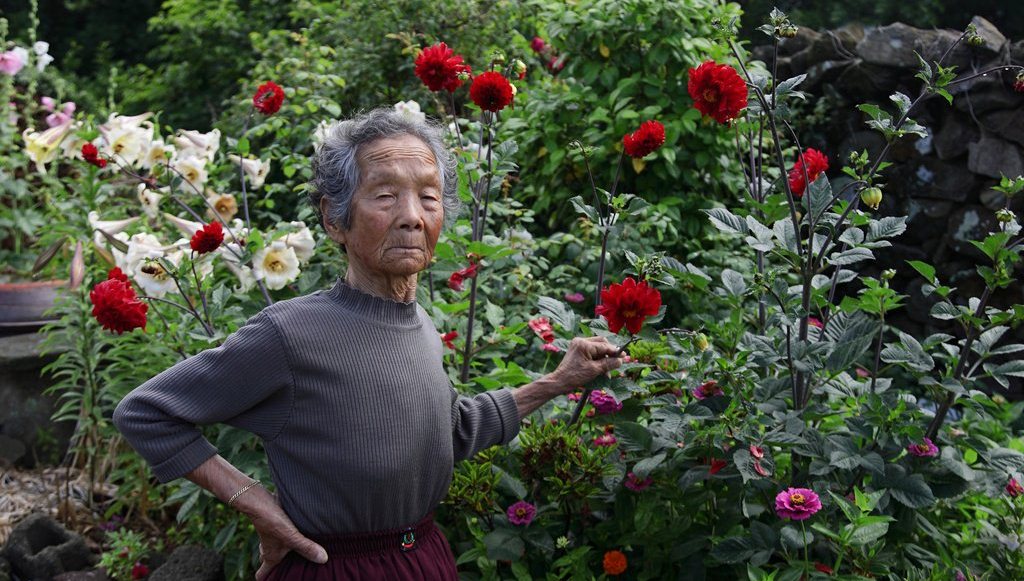
Photography by Hye Hyon

Mother Still Wears Flowery Underwear by Kim Kyung-ju

Only as I hang out the laundry
after returning to my hometown
do I realize that Mother still wears red flowery underwear.
One snowy day, she kept me near her
as she diligently chose underwear for her family
from a cart at the market.
As the speaker boomed
into the expansive sky, ample like her bottom,
Mother picked up a pair of light panties
and rubbed the warm cotton on her cheek
till the fabric became a damp red.
The flower pattern that she rubbed with her fingertips
made Mother still feel alive as a woman.
Today, cheeks flush with the memory of that red flower pattern.
As Mother proved whenever she started over again
with her newly washed underwear,
those flowers won’t wither easily,
just as the underwear in the market was still new
no matter how many handled it.
Onto her hanging underwear, one by one
a few flying snowflakes descend and gently take on the red color.
From the wrinkled flowers, a clear flower water drops, drip drip—
a pair of Mother’s old panties
that might have felt shy within the drawer
next to a snowball-sized moth ball.
Into the mossy smell of skin, the sunlight softly settles.   

(Originally published in Azalea: Journal of Korean Literature and Culture, Volume 5 [2012])

Kim Kyung-Ju was born in Gwangju in 1976. He studied philosophy at Sogang University. His poetry collections include I am a Season that Doesn’t Exist in This World, The Strange Story, and Calming the Parallactic Eyes. He was awarded the Today’s Young Artist Award and the Kim Su-young Literature Award.

A Strange Tale Kim Kyung-ju

Translated by Chae-Pyong Song and Anne Rashid

Painted by Kang Jang-won

A Strange Tale Kim Kyung-ju

I burned the map
so where
do all the buried volcanoes flow?

There is a dream of conception
one only dreams once more after birth.
Will the narratives that replace sleep
become my tomb?

I see a doll that sits in a room vomiting a strange cord.

To a human being who has flown out into the earth
and slowly floats to his own dream of conception,
there is a blood only he can bleed again
when he crawls back into the womb.

(Originally published in Azalea: Journal of Korean Literature and Culture, Volume 5 [2012])

Kim Kyung-Ju was born in Gwangju in 1976. He studied philosophy at Sogang University. His poetry collections include I am a Season that Doesn’t Exist in This World, The Strange Story, and Calming the Parallactic Eyes. He was awarded the Today’s Young Artist Award and the Kim Su-young Literature Award.
The Hole by Kim Kyung-ju

Translated by Chae-Pyong Song and Anne Rashid

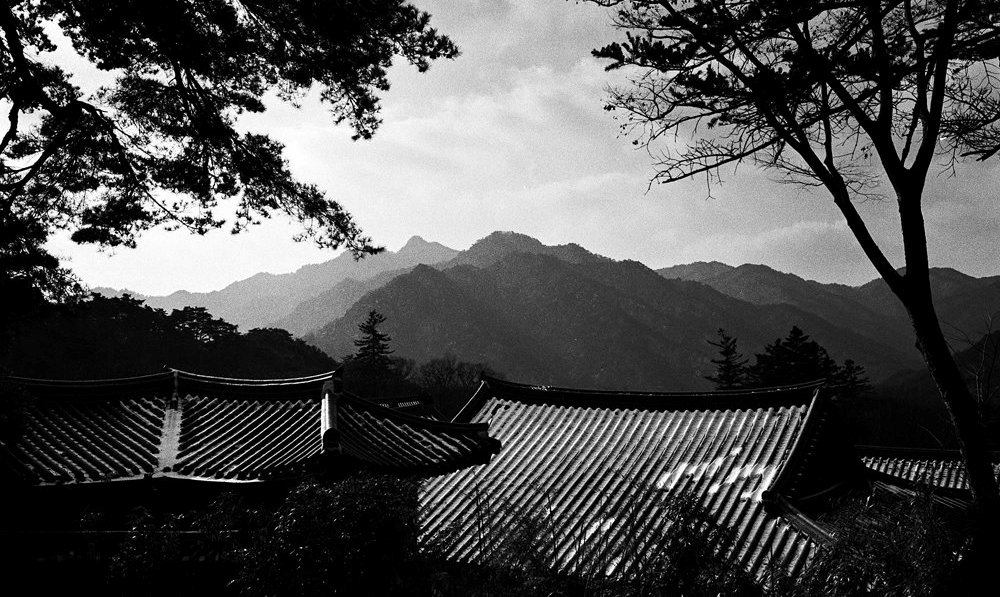
Photography by Lee Sang-youp

The Hole by Kim Kyung-ju

I clean up the hole
The hole hatches an egg
Desiring a hole,
I have written a few books
The hole has no work today
Exhausted, the hole’s sympathy is at risk
Clearing away the hole, I ran down the stairs
The hole is the life of the inner room
Looking down at the hole is the time that pushes an object
The hole where a toilet should receive all from top to bottom
There are holes that ask the color
The hole’s surroundings are suspiciously drying up
The flowers that bloom away from the hole are heartbreaking
The hole with today’s efforts recognizes more distance than depth
The hole floats within the hole
Nowhere hurts in the hole
It appears only the hole hurts
Waves walk toward heaven bleeding profusely, shouting, “Hole, please save me!”
The hole floats up in the air
The life of the hole that floats in the air
Snowmen appear in a straight line
The hole
The city where the hole appears
The time when the hole is not read like the way Benjamin Péret’s poetry is not read
The time when people are afraid of the hole’s haunting has passed
The flower that blocks the hole dies early
The writing that pursues the hole with all its efforts
The writing that describes the hole
The writing that consumes the hole
I am injured by the hole 
I scoop up something from the hole
After leaving the hole, I can’t believe in the hole
The hole evolves, leaving the hole, because it no longer believes in it
If there is such a thing, my life has already been ruined
I look down at the eye in the hole
I follow it down with my eyes
Like a well, four directions
rise up after breaking the hole
Where do I live?

(Originally published in Azalea: Journal of Korean Literature and Culture, Volume 5 [2012])

Kim Kyung-Ju was born in Gwangju in 1976. He studied philosophy at Sogang University. His poetry collections include I am a Season that Doesn’t Exist in This World, The Strange Story, and Calming the Parallactic Eyes. He was awarded the Today’s Young Artist Award and the Kim Su-young Literature Award.
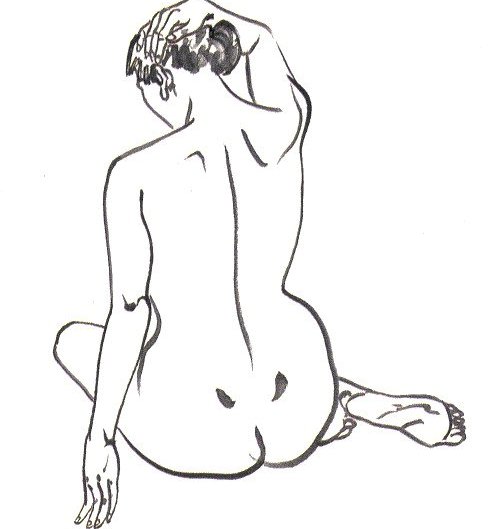
Chronicle by Kim Kyung-ju

Translated by Chae-Pyong Song and Anne Rashid

Photography by Lee Sang-youp

Chronicle by Kim Kyung-ju

At flower tea time I color my teeth
with the water of old tea
It rains when I, fingers wet with saliva,
pick up the golden yellow feet
of insects from a book
It rains like the evening I ran after
my lost tooth in the stream as a child
The rain falls in the in-between and
I listen to the inside of the rock
I place in this “between”
the isolated language
in which rain falls
When I feel sorrowful from watching my childlike face,
I listen to the inscription of the tooth that slowly floats in water

(Originally published in Azalea: Journal of Korean Literature and Culture, Volume 5 [2012])

Kim Kyung-Ju was born in Gwangju in 1976. He studied philosophy at Sogang University. His poetry collections include I am a Season that Doesn’t Exist in This World, The Strange Story, and Calming the Parallactic Eyes. He was awarded the Today’s Young Artist Award and the Kim Su-young Literature Award.
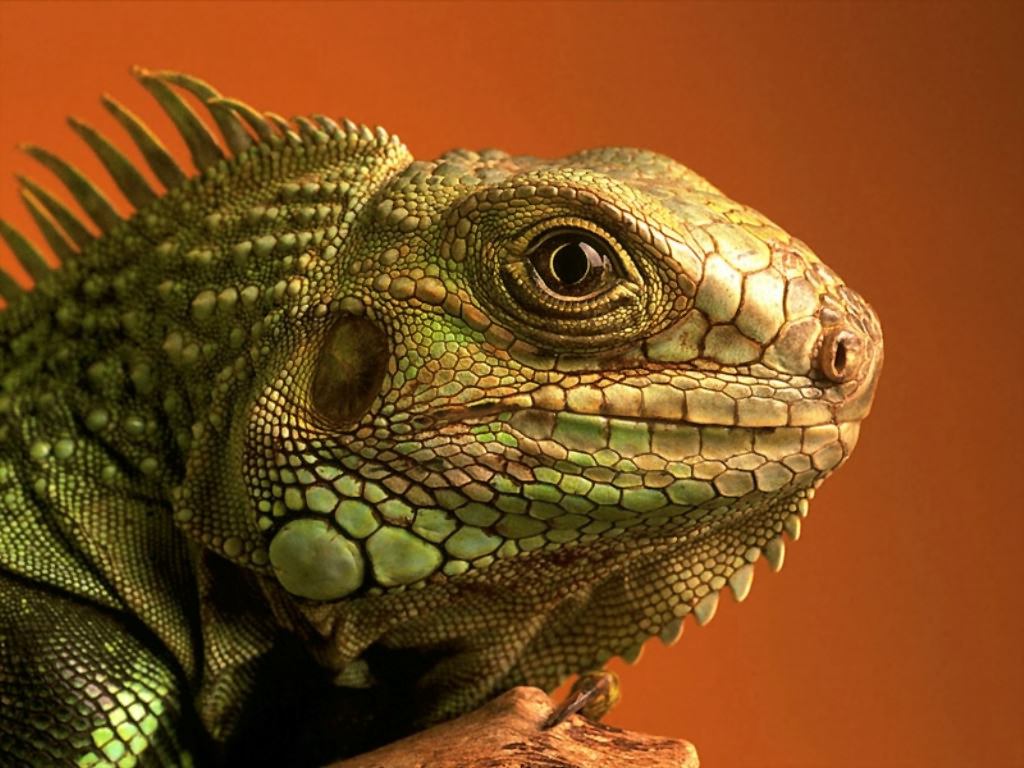
 

Coming Out by Hwang Byeong-seung

Translated by Chae-Pyong Song and Darcy Brandel

Painted by Kang Jang-won

Coming Out by Hwang Byeong-seung

Perhaps the real me is the back of my head
You become more honest behind me
I, who want to know more about you
Should perhaps walk backwards
After grinding my face on the bare floor

Another real me is my anus
But for you my anus is utterly disgusting
I, who want to know more about you
Should perhaps speak with my anus
Tearing apart my lips, saying please love me

I am ashamed
You carry many shameful animals like me
Inside your pockets and deep in your drawers

Every time you are ashamed
Of hating your shame
You write and erase a postcard
You cut off and attach your wrist
You become a grandfather or a great aunt who died one hundred years ago

Are you ashamed? Let’s shake hands

Your hand is inside the first page you tore off

(Originally published in Azalea: Journal of Korean Literature and Culture, Volume 5 [2012])

Hwang Byung-seung was born in Seoul in 1970. He debuted in 2003 by publishing five poems including “Primary Doctor h” in Para 21. He has published two poetry collections: Sikoku, The Man Dressed as Woman and Track and the Star of the Field.

Sikoku, the Man Dressed as Woman by Hwang Byeong-seung

Translated by Chae-Pyong Song and Darcy Brandel

Sikoku, the Man Dressed as Woman by Hwang Byeong-seung

Noon spews fire from the sky’s hot summit

The lizard writes
He tears it up and writes again

(I want to shake hands, I want to touch you but my hands are in the forest)

To the old woman who throws away the parasol and collapses
To the dog that runs away into the fire, dragging its chain

The lizard, whose tail is cut off, writes
He tears it up and writes again
If you bathe in the bathtub, it surely gleams with beauty
If you are eating an apple I will be jealous of it
I am the knife gripped in your hand; it will gladly ruin your heart

At twelve, I was already a great woman who broke out of a man
Sending love letters every day to the boys my age
Who had the habits of rats to foretell the future

(I will not promise until the tail grows back and I can touch your hair. The more I try to tell the truth the stronger my lies become)

There was a time once when someone wrote shit in red on my pencil case

(I wonder why the rats cannot walk softly in the moonlight)

So I won’t forget the future I endure the stench of the back room
While putting on make-up and taking it off, while putting on a skirt and taking off a bra
I feel my stomach rise falsely and suffer morning sickness

The lizard writes
He tears it up and writes again

Your gaze that runs away toward my back whenever we embrace each other!

My love, I too have a womb. Is that wrong?
Why in the world do you still question my name?

Sikoku, Sikoku

The lizard with red lips runs

Holding a long letter in his mouth
Following the dog that disappeared into the fire
Climbing over the silence of the collapsed old woman

The lizard runs

At noon when the rose by the window
Is eating fire with dark red teeth

The hands in the forest will receive it
And the tail will read it

(My love, I will tell you once more a strong lie for the last time)

Wait for me, wait for me!

(Originally published in Azalea: Journal of Korean Literature and Culture, Volume 5 [2012])

Hwang Byung-seung was born in Seoul in 1970. He debuted in 2003 by publishing five poems including “Primary Doctor h” in Para 21. He has published two poetry collections: Sikoku, The Man Dressed as Woman and Track and the Star of the Field.

Her Face Is a Battlefield by Hwang Byeong-seung

Translated by Chae-Pyong Song and Darcy Brandel

Photography by Choi Il-ryoung

Her Face Is a Battlefield by Hwang Byeong-seung

Like the moment the second hand takes the sixtieth step
Pushing the back of the minute hand that attacks the hour hand

Her face is a battlefield

Like kids at a public cemetery where a festival parade passes by
Who drink ten cups of jostlings and swallow twenty cups of wranglings
Whose goal is to knock down

Her face is a battlefield

She is quickly loved and quickly forgotten

Amidst darkness, a woman cries, a second woman cries
A third one rushes outside

Like endless coughs two women spit at each other’s face with a mirror in between

(Originally published in Azalea: Journal of Korean Literature and Culture, Volume 5 [2012])

Hwang Byung-seung was born in Seoul in 1970. He debuted in 2003 by publishing five poems including “Primary Doctor h” in Para 21. He has published two poetry collections: Sikoku, The Man Dressed as Woman and Track and the Star of the Field.

Two Stillborn Hearts by Hwang Byeong-seung

Translated by Chae-Pyong and Darcy Brandel

Photography by Barami

Two Stillborn Hearts by Hwang Byeong-seung

Like a clown driven into this earth upside down
Twelve years old with too many sweets
Two feet walk on the empty air continuously

Time, like a petty thief, dies in darkness
Little by little, hiccupping
Sparrows enjoy it

Till the thirty-six year old devil approaches and points at me
(hiccupping)

Till the devil holding a black knife strikes down the twelve-year-old’s neck

Like a clown who shivers in anxiety
(hiccupping, hiccupping)

The child of this earth, whether alive or dead, I don’t know!

Twelve years driven into this earth,

 The cicada within my ear cannot sleep.

(Originally published in Azalea: Journal of Korean Literature and Culture, Volume 5 [2012])

Hwang Byung-seung was born in Seoul in 1970. He debuted in 2003 by publishing five poems including “Primary Doctor h” in Para 21. He has published two poetry collections: Sikoku, The Man Dressed as Woman and Track and the Star of the Field.

Fish Song by Hwang Byeong-seung

Translated by Chae-Pyong Song and Darcy Brandel

Photography by Nataly Fomina

Fish Song by Hwang Byeong-seung

A fish in the tank listens:
A bird song flows by the window
And the bird greets,
“How are you, Mr. Fish?”

The fish replies
Flexing his gills:
Two water bubbles

The fish in the tank listens:
The bird song flows in through the window
And the bird asks,
“Do you also have a song?”

The fish listens:
The bird bids farewell,
“Take care, Mr. Fish”

The fish replies
Shaking his fins:
Two water bubbles

(Originally published in Azalea: Journal of Korean Literature and Culture, Volume 5 [2012])

Hwang Byung-seung was born in Seoul in 1970. He debuted in 2003 by publishing five poems including “Primary Doctor h” in Para 21. He has published two poetry collections: Sikoku, The Man Dressed as Woman and Track and the Star of the Field.


Thrashing the Sesame by Kim Jun-tae

Translated by Chae-Pyong Song and Anne Rashid

Illustrated by Jam San

Thrashing the Sesame by Kim Jun-tae

At the corner of a farm where the mountain shadow descends,
I thrash the sesame with Grandmother.
In my eyes, Grandmother strikes the stick slowly.
But I, the young one, want to go home before dark,
and strike with all my strength.
I find rare pleasure in thrashing the sesame–
difficult to find in worldly affairs.
Since I have lived in the city for almost ten years,
it is an exhilarating thing
to watch, even with one stroke,
innumerable, white grains rushing out.
I thrash bundle after bundle, whistling.
When I am lost in thrashing,
thinking that there might be many things
that would rush out like sesame
if you gleefully strike anywhere,
Grandmother pitifully chastises me:
“Honey, don’t thrash at the necks.”

참깨를 털면서 /김준태

산그늘 내린 밭 귀퉁이에서 할머니와 참깨를 턴다.
보아하니 할머니는 슬슬 막대기질을 하지만
어두워지기 전에 집으로 돌아가고 싶은 젊은 나는
한번을 내리치는 데도 힘을 더한다.
세상사에는 흔히 맛보기가 어려운 쾌감이
참깨를 털어대는 일엔 희한하게 있는 것 같다.
한번을 내리쳐도 셀 수 없이
솨아솨아 쏟아지는 무수한 흰 알맹이들
도시에서 십 년을 가차이 살아본 나로선
기가막히게 신나는 일인지라
휘파람을 불어가며 몇 다발이고 연이어 털어댄다.
사람도 아무 곳에나 한 번만 기분좋게 내리치면
참깨처럼 솨아솨아 쏟아지는 것들이
얼마든지 있을 거라고 생각하며 정신없이 털다가
“아가, 모가지까지 털어져선 안 되느니라”
할머니의 가엾어하는 꾸중을 듣기도 했다.

(Originally published in Gwangju News, June, 2012)

Kim Jun-tae (1949- ) was born in Haenam, Jeollanamdo. He studied German literature at Chosun University. He made his literary debut in 1969 with the publication of “Thrashing the Sesame” and other poems in The Poet. His poetry collections include Thrashing the SesameI Saw GodThe Rice Soup and HopeFire or Flower?, and Sword and Soil. He is known as the progressive poet of “Oh, Gwangju! The Cross of Our Nation!,” a poem about the Gwangju Uprising he published on June 2, 1980, in The Chonnam Daily. With the publication of this poem, the newspaper was forced to shut down, and he was laid off from his teaching at Chonnam High School. This poem has been acclaimed as the first poem that addressed the uprising. He is a protest poet committed to writing about ruined hometowns, national liberation, and the decolonization of culture.