Spring Rain by Lee Su-bok

Translated by Chae-Pyong Song
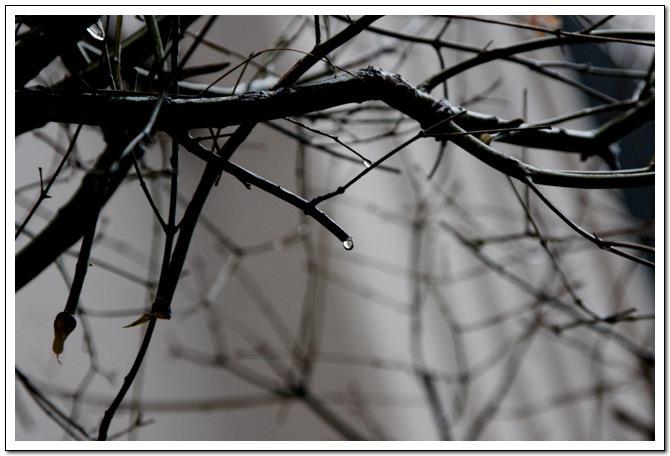
Photography by Na Mari

“Spring Rain” by Lee Su-bok

When this rain stops
on the long bank of my heart by the river ferry point
sorrowful grass will darken into a deep green.

On the footpath of the green barley field
in the blue sky
only a robin will chatter a song.

When this rain stops
in the lovely fields flowers will compete to bloom,
and girls will stand lonely, in pairs. 

Like the incense smoke
that rolls upward before the lover
the earth will shimmer again.

봄비/ 이수복

이 비 그치면
내 마음 강나루 긴 언덕에
서러운 풀빛이 짙어 오것다.

푸르른 보리밭길
맑은 하늘에
종달새만 무어라고 지껄이것다.

이 비 그치면
시새워 벙글어질 고운 꽃밭 속
처녀애들 짝하여 외로이 서고

임 앞에 타오르는
향연(香煙)과 같이
땅에선 또 아지랑이 타오르것다.

(Annie Rashid and Darcy Brandel read the earlier drafts of this translation.)

From Early on, I by Choe Seung-ja

Translated by Chae-Pyong Song and Darcy L. Brandel

Photography by Im Eung-shik

From Early on, I by Choe Seung-ja

From early on I was nothing.
Mold flowering on dry bread
wet urine stains on a wall, layers upon layers of urine
a corpse dead over a thousand years
still covered with maggots.

No parents reared me.
I lived sleeping in a rat hole and leeching off of the wretched
dying anywhere endlessly
from early on I was nothing.

So when we brush by momentarily
like falling meteors
do not tell me you know me
Idonotknowyou Idonotknowyou
YouThouBeloved, Happiness
You, Thou, Beloved, Love

That I exist
is nothing more than an everlasting rumor.

일찍이 나는

일찍이 나는 아무것도 아니었다.
마른 빵에 핀 곰팡이
벽에다 누고 또 눈 지린 오줌 자국
아직도 구더기에 뒤덮인 천년 전에 죽은 시체.

아무 부모도 나를 키워 주지 않았다
쥐구멍에서 잠들고 벼룩의 간을 내먹고
아무 데서나 하염없이 죽어 가면서
일찍이 나는 아무것도 아니었다.

떨어지는 유성처럼 우리가
잠시 스쳐갈 때 그러므로,
나를 안다고 말하지 말라.
나는너를모른다 나는너를모른다,
너당신그대, 행복
너, 당신, 그대, 사랑

내가 살아 있다는 것,
그것은 영원한 루머에 지나지 않는다.

(Originally published in The Gwangju News, March 2012)

Choe Seung-ja (1952- ) was born in Yongi, Chungcheongnam-do. She studied German literature at Korea University. Her poetry collections include Love in This AgeA Pleasant DiaryThe House of MemoryMy Grave—GreenLovers, and Forlorn and Faraway. Often employing extreme, radical language and imagery, she writes to resist social discrimination, especially patriarchy.

Autumn Like a Dog by Choe Seung-ja

Translated by Chae-Pyong Song and Darcy L.Brandel

Photography by Lee Sang-youp

Autumn Like a Dog by Choe Seung-ja

Autumn invades like a dog.
An autumn like syphilis
and death visits on
twilight’s paralyzed leg.

Everything loses moisture
the borders of roads wear down
the old singer’s voice on a record warps
hello, is this Jooksun? Hey Jooksun? Jooksun?
a phone line loses a receiver in the empty air
and lovers who leave never return, not even in dreams.

And at time’s barroom where memory’s stagnated water
reeks endlessly of horse piss
I, disheveled, ask in the voice of a person waking from a coma
How far have we come? How far should we go
to see the river turning into the sea?

개 같은 가을이

개같은 가을이 쳐들어온다.
매독같은 가을.
그리고 죽음은, 황혼 그 마비된
한 쪽 다리에 찾아온다.

모든 사물이 습기를 잃고
모든 길들의 경계선이 문드러진다.
레코드에 담긴 옛 가수의 목소리가 시들고
여보세요 죽선이 아니니 죽선이지 죽선아
전화선이 허공에서 수신인을 잃고
한번 떠나간 애인들은 꿈에도 다시 돌아오지 않는다.

그리고 그리고 괴어있는 기억의 폐수가
한없이 말 오줌 냄새를 풍기는 세월의 봉놋방에서
나는 부시시 죽었다 깨어난 목소리로 묻는다.
어디 만큼 왔나 어디까지 가야
강물은 바다가 될 수 있을까?

(Originally published in The Gwangju News, March 2012)

Choe Seung-ja (1952- ) was born in Yongi, Chungcheongnam-do. She studied German literature at Korea University. Her poetry collections include Love in This Age, A Pleasant Diary, The House of Memory, My Grave—Green, Lovers, and Forlorn and Faraway. Often employing extreme, radical language and imagery, she writes to resist social discrimination, especially patriarchy.

I Remember by Choe Seung-ja

Translated by Chae-Pyong Song and Darcy L. Brandel

Photography by Lee Sang-youp

I Remember by Choe Seung-ja

The road has disappeared
the road existed for sure
the road I ran on over and over

Time, where the road disappeared
is infested with darkness

(Shuttered-down shops
the shops of darkness with their lights out
where only invisible footsteps scurry)

The decade is disappearing
I don’t see the road yet
but I remember for sure
the road was there
the road I ran on over and over

나는 기억하고 있다

길이 없었다
분명 길이 있었는데
뛰고 뛰던 길이 있었는데

길 끊어진 시간 속에서
어둠만이 들끓고 있었다

(셔터가 내려진 상가
보이지 않는 발자국들만 저벅거리는
불 꺼진 어둠의 상가)

그 십여 년 고요히 끝나가고 있다
아직은 길이 보이지 않는다
그러나 분명 길이 있었음을
뛰고 뛰던 길이 있었음을
나는 기억하고 있다

(Originally published in The Gwangju News, March 2012)

Choe Seung-ja (1952- ) was born in Yongi, Chungcheongnam-do. She studied German literature at Korea University. Her poetry collections include Love in This Age, A Pleasant Diary, The House of Memory, My Grave—Green, Lovers, and Forlorn and Faraway. Often employing extreme, radical language and imagery, she writes to resist social discrimination, especially patriarchy.


On a Faraway Sea by Choe Seung-ja

Translated by Chae-Pyong Song and Darcy L. Brandel

Photography by Lee Sang-youp

On a Faraway Sea by Choe Seung-ja

On a faraway sea
the moon wafts effortlessly

In the empty sky one quiet eye
watches the world

The beloved eye that Rumi wooed
(a mystic scene on the sea of time)

On a faraway sea
the moon wafts effortlessly

머나먼 바다 위에

머나먼 바다 위에
두둥실 달이 떠 있습니다

허공에는 세상을 바라보는
고요한 눈동자 하나가 있습니다

그것은 루미가 사랑했던 님의 눈동자입니다
(신비주의적 시간 바다 위의 풍경입니다)

머나먼 바다 위에
두둥실 달이 떠 있습니다

Choe Seung-ja (1952- ) was born in Yongi, Chungcheongnam-do. She studied German literature at Korea University. Her poetry collections include Love in This Age, A Pleasant Diary, The House of Memory, My Grave—Green, Lovers, and Forlorn and Faraway. Often employing extreme, radical language and imagery, she writes to resist social discrimination, especially patriarchy.


A Child by Choe Seung-ja

Translated by Chae-Pyong Song and Darcy L. Brandel

Photography by Lee Sang-youp

A Child by Choe Seung-ja

A child is running by.

A sky forever colored gray

Someone crossing the sea
halfheartedly

A century laughing carelessly

 아이가

한 아이가 뛰어간다

하늘은 늘 회색이었다

건성건성 누군가
바다를 건너고 있었다

한 세기가 무심코 웃고 있었다

Choe Seung-ja (1952- ) was born in Yongi, Chungcheongnam-do. She studied German literature at Korea University. Her poetry collections include Love in This Age, A Pleasant Diary, The House of Memory, My Grave—Green, Lovers, and Forlorn and Faraway. Often employing extreme, radical language and imagery, she writes to resist social discrimination, especially patriarchy.

A Time Existed by Choe Seung-ja

Translated by Chae-Pyong Song and Darcy L. Brandel

Photography by Lee Sang-youp

A Time Existed by Choe Seung-ja

A time existed
A desert existed

In the middle of the desert I was alone
Wind blew above in the sky
and I was hungry and sad

Somewhere a river flowed
(but the sea did not overflow)

Somewhere the sky passed
(but time did not stop)

A time existed

A desert existed

 세월이 있었다

한 세월이 있었다
한 사막이 있었다

그 사막 한가운데서 나 혼자였었다
하늘 위로 바람이 불어가고
나는 배고팠고 슬펐다

어디선가 한 강물이 흘러갔고
(그러나 바다는 넘치지 않았고)

어디선가 한 하늘이 흘러갔고
(그러나 시간은 멈추지 않았고)

한 세월이 있었다

한 사막이 있었다

Choe Seung-ja (1952- ) was born in Yongi, Chungcheongnam-do. She studied German literature at Korea University. Her poetry collections include Love in This Age, A Pleasant Diary, The House of Memory, My Grave—Green, Lovers, and Forlorn and Faraway. Often employing extreme, radical language and imagery, she writes to resist social discrimination, especially patriarchy.

You are so lovely by Kim Yong-taek

Translated by Chae-Pyong Song

Photography by Hye Hyon

You are so lovely by Kim Yong-taek

On a spring day
because of your love
I saw the pleasing sight of sunlight shining
into my shadowy backyard.

Out of darkness to the fireside of love
you gently called me,
and smiled as purely as a wildflower,
standing in front of me in the bright, shining light
that only someone who has passed through darkness can make.

Ah,
just to think of you–
you
are
so
lovely.

참 좋은 당신/ 김용택

어느 봄날
당신의 사랑으로
응달지던 내 뒤란에
햇빛이 들이치는 기쁨을 나는 보았습니다

어둠 속에서 사랑의 불가로
나를 가만히 불러내신 당신은
어둠을 건너온 자만이 만들 수 있는
밝고 환한 빛으로 내 앞에 서서
들꽃처럼 깨끗하게 웃었지요

아,
생각만 해도

좋은
당신

(Anne Rashid and Melanie Steyn read the earlier versions of this translation.)

Kim Yong-taek (1948- ) was born in Imsil, Jeollabuk-do. With lyrical (often regional) vernacular, he has written many poems about undamaged agricultural communities and the profound beauty of nature. His poetry collections include The Sumjin River,A Clear DaySister, The Day Is Getting DarkThe Flower Letter I MissTimes Like A RiverThat Woman’s House, and Your Daring Love. He also published essay collections such as A Small Village,What’s Longed for Exists behind the MountainA Story of the Sumjin River, and Follow the Sumjin River and Watch. He was awarded the Kim Soo-young Literary Award (1986) and the Sowol Poetry Award (1997). He currently teaches at Woonam Elementary School.

Beside a Chrysanthemum by Seo Jung-ju

Translated by Chae-Pyong Song

Photography by Hye Hyon

Beside a Chrysanthemum by Seo Jung-ju

Perhaps
to make a Chrysanthemum bloom,
the owl must have cried since spring.

Perhaps
to make a Chrysanthemum bloom,
the thunder must have cried in the dark clouds.

Oh, Chrysanthemum, looking like my elder sister,
who stands in front of her mirror
after a long journey through the back alleys of her youth,
her heart tightened by her longings and regrets.

Perhaps
to make your yellow petals bloom
the first frost must have fallen last night.
I could not sleep.

국화 옆에서/ 서정주

한 송이의 국화꽃을 피우기 위해
봄부터 소쩍새는
그렇게 울었나 보다.

한 송이의 국화꽃을 피우기 위해
천둥은 먹구름 속에서
또 그렇게 울었나 보다.

그립고 아쉬움에 가슴 조이던
머언 먼 젊음의 뒤안길에서
인제는 돌아와 거울 앞에 선
내 누님같이 생긴 꽃이여

노오란 내 꽃잎이 피려고
간밤엔 무서리가 저리 내리고
내게는 잠도 오지 않았나 보다.

(Darcy Brandel read an earlier version of this translation.)

Seo Jeong-ju (1915 – 2000) was born in Gochang, Jeollabuk-do. He is considered the founding father of modern Korean poetry. Under the pen name Midang, he published at least 15 collections of poetry. He taught Korean literature at Chosun University, among others. He was also nominated five times for the Nobel Prize in literature. His grandmother’s stories and his interest in Buddhism had a strong influence upon his writing. His works have been translated into a number of languages, including English, French, Spanish and German.

A Winter Love by Moon Jung-hee

Translated by Chae-Pyong Song

Photography by Hye Hyon

A Winter Love by Moon Jung-hee

Like snow flakes I long to come to you.
Without wavering
without rambling
without concealing
I long to plunge into your white life
and become a warm winter.
I long to snow for a thousand years.

겨울 사랑 – 문정희

눈송이처럼 너에게 가고 싶다.
머뭇거리지 말고
서성대지 말고
숨기지 말고
그냥 네 하얀 생애 속에 뛰어들어
따스한 겨울이 되고 싶다.
천년 백설이 되고 싶다.

(이 세상 모든 사랑은 무죄이다, 1998)

(Darcy Brandel read an earlier version of this translation.)

Mun Jung-hee (1947- ) was born in Bosung, Jeollanam-do. She received her Ph.D. from Seoul Women’s University. She made her literary debut in 1969 in The Literature Monthly. Her poetry collections include The Baby BrierFor MenNow Following the Rose, I am the Door, The Joy of Love, and The Prolific Virgin. She received such prestigious awards as the Modern Literature Award and the Sowol Poetry Award.