If I Truly Meet Mother Unexpectedly by Li Chong-dŏk

Translated by Chae-Pyong Song

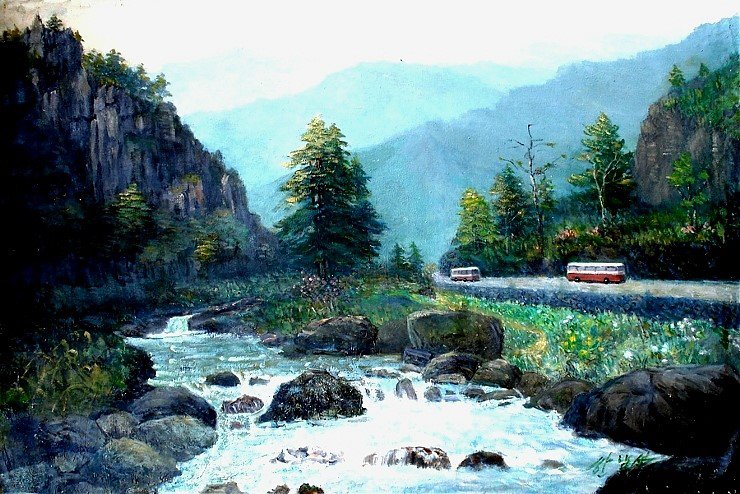
“The Hill of My Hometown” by Shin Eung-chan, a North Korean painter

If I Truly Meet Mother Unexpectedly by Li Chong-dŏk 

Truly
When the day comes, the unification comes,
If I meet Mother
Unexpectedly

Ah, ah, so choked up,
I would forget all the words that I etched for many decades,
The bursting sound—of the heart and the soul
Resonates only with “Ŏmma” [Mamma].

The voice to which I ran, as if falling on my face, to be embraced
Even when she came back late from the market;
The voice to which I played the baby
When we met again even after one day’s separation.

The mother who left me, saying
She would be back after three nights’ stay at grandma’s,
The three nightsduring which I waited so long—passed by
Thousand and ten thousand times, and I am waiting still . . . .

She must be over seventy, all gray haired,
Yet in my memories
She has all black hair, neatly parted,
Gleaming with castor oil

Mother, Mother,
I cannot age another day without meeting Mother.
You, Mother, cannot close your eyes
Till you see this son.

Love melts iron, they say.
Not just love between this son and Mother but,
If all the nation’s love unites,
Can it topple this concrete dividing wall?

On the Unification Street of a construction site
Where one more story has risen again,
With a new day
I resolutely engrave this into my heart.

If I meet Mother this time,
I will forget all the ages and times,
Go back to the moment we became separated,
And, a child again, I will be embraced by the folds of her skirt.

Truly, when the day of unification comes,
Like a dammed stream burst open,
The sound of our race and our nation unified
Will shake all of the peninsula, three thousand li long.

Oh, oh, the cry for unification, hotter than the subterranean heat,
Neither on earth, nor in heaven, but within my heart,
Will burst into “Ŏmma”
And shake up the whole earth.

참으로 어머니를 문득 만난다면/ 리종덕

참으로
그날이 와서 통일이 와서
문득
어머니를 만날 수 있다면

아아, 너무더 억이 막혀
수수십년 새겨온 그 말들을 다 잊고
가슴 터지고 심장이 터지는 소리
다만 엄마 하고 울릴게다

장에 갔던 어머니 늦어만 와도
엎어질 듯 달려가 안기던 목소리
하루만 떨어졌다 마나도
마냥 응석을 부리던 목소리

세밤 자고 오마고
외가에 간 어머니건만
까맣게 기다리던 그 세밤이
천번 만번 지나도록 못오신 어머니

칠순도 더 넘은 백발이런만
상기도 내 머릿속엔
아주까리기름이 반드럽던
가리마 반듯한 그 까만 머리뿐

어머니 어머니
어머니를 만나기전엔 더 먹을 수 없는 이 나이옵고
이 아들을 보기전엔
차마 눈을 감을수 없는어머니려니

사랑은 쇠를 녹인다 하였거늘
이 아들과 어머니 사랑만이 아닌
온 겨레의 사랑이 합치면
분렬의 콩크리트장벽을 어찌 못허물랴

또 한층 높이 오르는
통일거리 건설장에서
새날을 맞으며
뜨겁게 새겨보는 마음

어머니와 이제 만난다면
나이도 세월도 다 잊고
헤여질 때의 그 나이로 되돌아가
어머니 치마폭에 안기라다

참으로 통일의 그날이 오면
막혔던 물목이 터지듯
내 겨레 내 민족이 합쳐지는 소리
삼천리를 그대로 흔들어놓을게다

오오, 지열보다 뜨거운 통일의 환호성
땅도 하늘도 아닌 바로 내 가슴속에서
엄마 하고 터져
지구를 통째로 흔들어놓을게다!

(This translation of North Korean poem was originally published in Azalea, Volume 2, 2008)

Li Chong-dŏk is a North Korean poet known for the lyrical poetic style that flourished in the 1990s. “Dandelions,” published in 1994, is a good example.
Oh, My Mother—Her Voice by O Yŏng-jae

Translated by Chae-Pyong Song

"The Road to Hometown" by Han Nam-sun, a North Korean painter

Oh, My Mother—Her Voice by O Yŏng-jae

Los Angeles andTaejon,
The Pacific in between.
The phone conversation between Mother and Chairman Yŏng-hŭi
Graciously sent to me;
Unwinding the cassette tape
I listen to Mother’s voice.
The voice is not familiar,
Foreign to my ears,
So I listen . . . over and over.
The sound revives far-gone days,
And Mother’s voice
That echoed that day;
The voice
That sang lullabies in a low tune,
When by the window on a snowy day, she,
Walking to and fro, piggybacked me;
The voice that searched for me on the other side of darkness
When I walked a long night’s walk back home alone.
After setting a birthday table,
With the scent of steamed rice-cake filling the air,
The voice that woke me:
“Yŏng-jae, honey, time to wake up.
This same voice echoes,
Breaking through the veil of distant years.
The sound that floats over
My childhood and boyhood
Days gone by, so far away.
Those familiar sounds she made, opening and closing the gate at home;
The sound of her grinding barley in a mortar jar in the morning and the evening.
The sound that carries me
The tears she squeezed out
Sitting in front of the smoky kitchen fire hole
And the camellia oil.
The voice familiar to Mother’s ears
That I finally found
After fumbling efforts,
The sound I can’t erase in one lifetime.
Let us not live, divided apart, any more.
Mother’s voice
Crying out for me, choked.
Come hurry on, to Mother’s arms,
With the sun of harmony in your chest.
It calls me,
Ah, Mother’s voice!

, 나의 어머니 – 목소리/ 오영재

로스앤젤스와 대전
태평양을 사이에 두고
영희 회장과 어머니가 주고받은 전화
고맙게도 나에게 보내 준
그 록음테프를 풀며
어머니의 목소리를 듣고 있습니다
귀에 익다하기엔
너무도 그 목소리 삭막해
다시 또 다시 또 듣노라면
멀리 흘러간 나날들을 되살려 주며
그날에 울리던
어머니 목소리
눈오는 창가에서
나를 업고 서성이며
나직히 자장가를 불러 주시던
그 목소리
내 홀로 밤길 걸어 집으로 올 때
어둠 속 저쪽에서 나를 찾던 목소리
생일상 차려 놓고
시루떡 냄새를 풍기며
“영재야, 일어나거라”
나를 깨우던 그 목소리
아득한 세월의 장막을 뚫고
울려 오는 목소리
멀리 흘러가 버린
내 유년시절과 소년시절을
싣고 오는 소리
여닫던 고향집의 문소리와
아침 저녁 확독에 보리쌀 갈던 소리
연기 피는 아궁이 앞에서 짜내시던
그 눈물과
동백기름 내음새를
싣고 오는 소리
애써 더듬어서
드디여 찾아낸
어머니의 귀에 익은 목소리
이제는 내 한생에 다시는 지워질 거냐
더는 갈라져 살지 말자
목메여 나를 부르는
어머니 소리
통일의 해님 안고
어서 오라, 어미품으로
어서 오라, 어미품으로
나를 부르는
아, 어머님의 목소리!

(This translation of North Korean poem was originally published in Azalea, Volume 2, 2008)

Oh, My Mother By O Yŏng-jae

Translated by Chae-Pyong Song

"A Hometown Slope" by Rhee Gil-nam, a North Korean painter

Oh, My Mother by O Yŏng-jae
— Upon Hearing after 40 Years that My Mother Lives in the South

Alive,
Still alive,
And almost eighty
Even today Mother is still alive.
A sun suddenly rises
In the middle of a black night
A heavy shower of joy at once fills,
Overflows, and gushes out of my heart.
A heavy joy crushes me.
Collapsed, I cry,
This son wails.
On my knees, my senses . . . gone,
I bow over and over again.
What has kept Mother going
Till today,
Is not the grace of God,
Nor Time’s sympathy.
It is Mother’s faith
That kept her head high up to the world,
Because she will not close her eyes
Till she embraces this son once more.
To her faith,
I bow on my knees.
Mother, thank you.
Oh, Mother, thank you.

, 나의 어머니 – 고맙습니다/  오영재
– 40년만에 남녘에 계시는 어머니의 소식을 듣고 –

생존해 계시니
생존해 계시다니
팔순이 다된 그 나이까지
오늘도 어머님이 생존해 계시다니
그것은
캄캄한 밤중에
문득 솟아오른 해님입니다
한꺼번에 가슴에 차고 넘치며
쏟아지는 기쁨의 소나기입니다
그 기쁨 천 근으로 몸에 실려
그만 쓰러져 웁니다.
목놓아 이 아들은 울고 웁니다
땅에 엎드려 넋을 잃고
자꾸만 큰절을 합니다.
어머님을 이날까지
지켜 준 것은
하느님의 자비도 아닙니다
세월의 인정도 아닙니다.
그것은 이 아들을 다시 안아 보기 전에는
차마 눈을 감으실 수 없어
이날까지 세상에 굿굿이 머리 들고 계시는
어머님의 믿음입니다.
그 믿음앞에
내 큰절을 올립니다.
어머니 고맙습니다.
어머니여, 고맙습니다.

(This translation of North Korean poem was originally published in Azalea: Journal of Korean Literature and Culture, Volume 2, 2008)

O Yŏng-jae was born in 1935 in Jangsung, Chonnam Province of South Korea. When the Korean War broke out in 1950, he was selected for the People’s Volunteer Army (at the age of 16).  He has lived in the North ever since. He is the author of several epic odes, including “The Daedong River” (1985) which is well known for initiating epic odes as a representative of the North Korean poetic style. To South Koreans he is best known for “Mother, Please, Don’t Get Older,” which he wrote when reunited with his mother in 2000 for the Reunion of the Dispersed Families of the South and North Koreas.

Tamjin River 18 by Wi Sun-hwan

Translated by Chae-Pyong Song

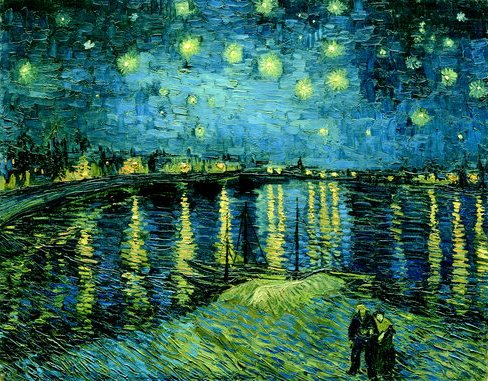
"Starry Night over the Rhone" by Vincent van Gogh (1888)

Tamjin River 18 by Wi Sun-hwan

The swarm of insects rubs against the sky with their wings–
they wore out and all fell down,
and now the stars are buzzing.

The stream of the river is bright; so are the insteps of my feet.
On a pitch dark night that blackened my eyes and ears,
I walked, groping my way,
following the stream
that flowed slower than my steps,
How long did I walk?
With a gait slower than the stream,
how long did I listen for the footsteps
following me with steps slower than mine?

At midnight a constellation would descend upon my back.

I continued to walk along, following
the stream. A few stars floating down the water
flickered and looked back at me,
anxiously murmuring many words–
I couldn’t even comprehend one or two of them.

The river’s bottom was packed with stars.

탐진강  18/ 위선환

날벌레떼가 잔 날갯짓을 비벼대던 하늘이다
날벌레들은 닳아서 모두 떨어졌고 지금은 별빛들이 잉잉거리고 있다

  강물줄기가 환하다 내 발등도 밝다

  어느 날은 눈자위 꺼지고 귓속 깜깜한 저녁에

  나는 걸어가며 몇 번이나 더듬대고 내 발걸음보다 더디게 흐르는 물줄기를 따라서 물줄기보다 더딘 발걸음으로 어디까지 오래 걸었던가 내 발걸음보다 더딘 걸음으로 뒤따라오는 발자국 소리를 얼마나 길게 귀 기울여서 들었던가

  자정에는 한 별자리가 내려와 등에 얹혔고

  나는 내내 걸어서 강물줄기를 뒤따라간다 물에 떠 흘러가는 별빛 몇이 깜박이며 뒤돌아보며 걱정스레 두런거리는 여러 말들을 고작 한두 마디도 못 알아듣는다

  강 밑바닥에 별빛이 꽉 찼다

(Originally published in New Writing from Korea, Volume 2, 2009)

A Sandfish II by Wi Sun-hwan

Translated by Chae-Pyong Song and Anne Rashid

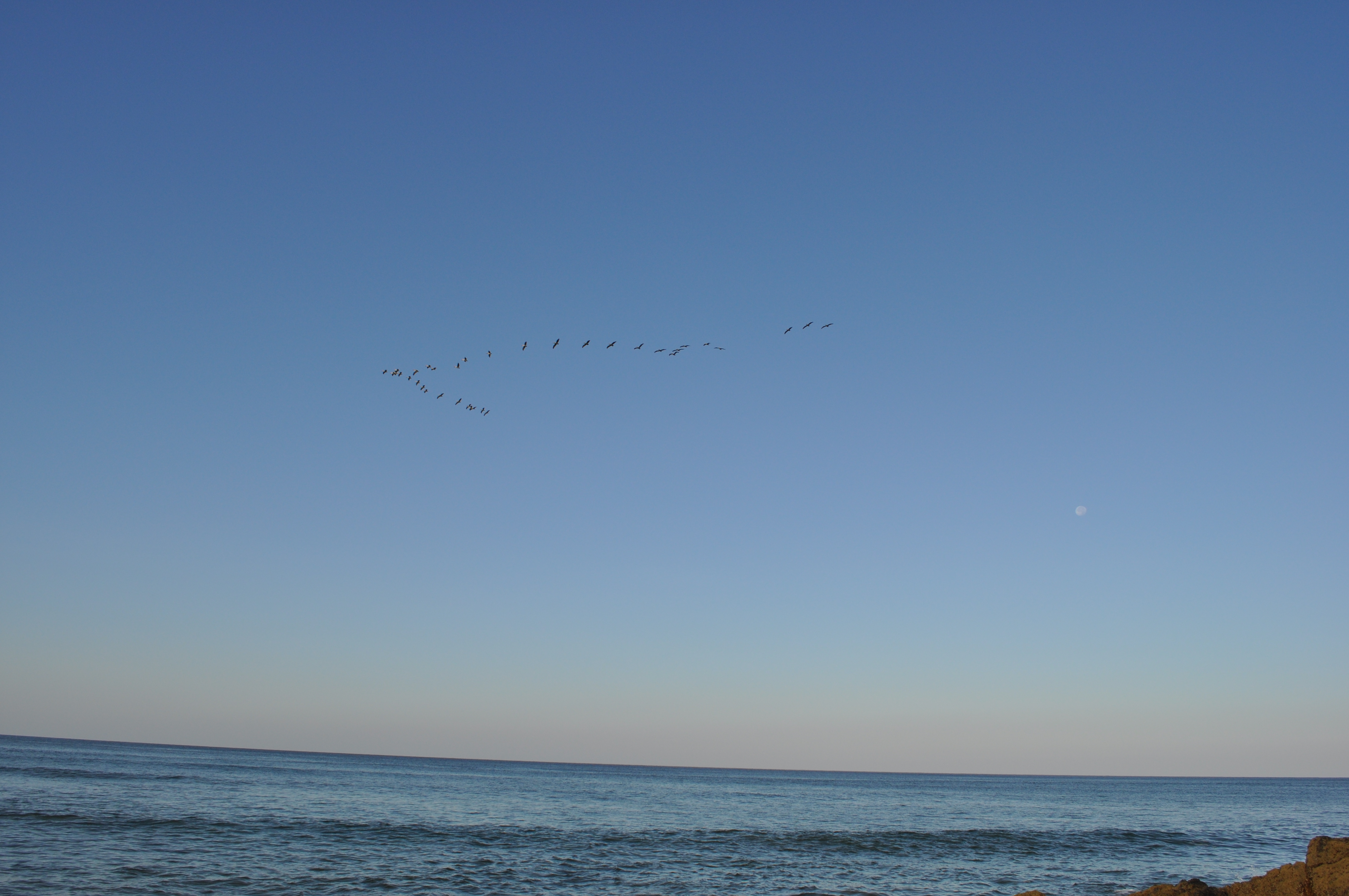
Photographed by Chae-Pyong Song

A Sandfish II by Wi Sun-hwan

What kind of fish do they dry and hang up in the air
to beat? A few silvery scales are flaking off.
I lift water’s scales, as if peeling shingles from a roof;
from the gravelly bottom of the river, a sandfish leaps and sinks down.

Though the river is already a deep blue, even without a beating,
if it was thrashed with a pole, even now wouldn’t it scream,
bending its waves? When a bird pecks at the bottom of the sky,
with its long beak lifted up, wouldn’t even the sky cry out?

Once, with my hard-clenched, bare fist
I would hit my own deep grooved ribs.

If a craftsman climbed a ladder
and hung a large barrel on a thick rope that he’s made,
and after tightening it with a leather string,
then pulling each end of the space,
made a large drum,
to thrash it with long, heavy drumsticks would only feel futile.

When you are desolate, too weary to stand, or when suddenly full of tears,
look up, the blank space weeps by itself already.

(Originally published in New Writing from Korea, Volume 2, 2009)

A Flock of Birds Transcribed by Wi Sun-hwan

Translated by Chae-Pyong Song and Anne Rashid

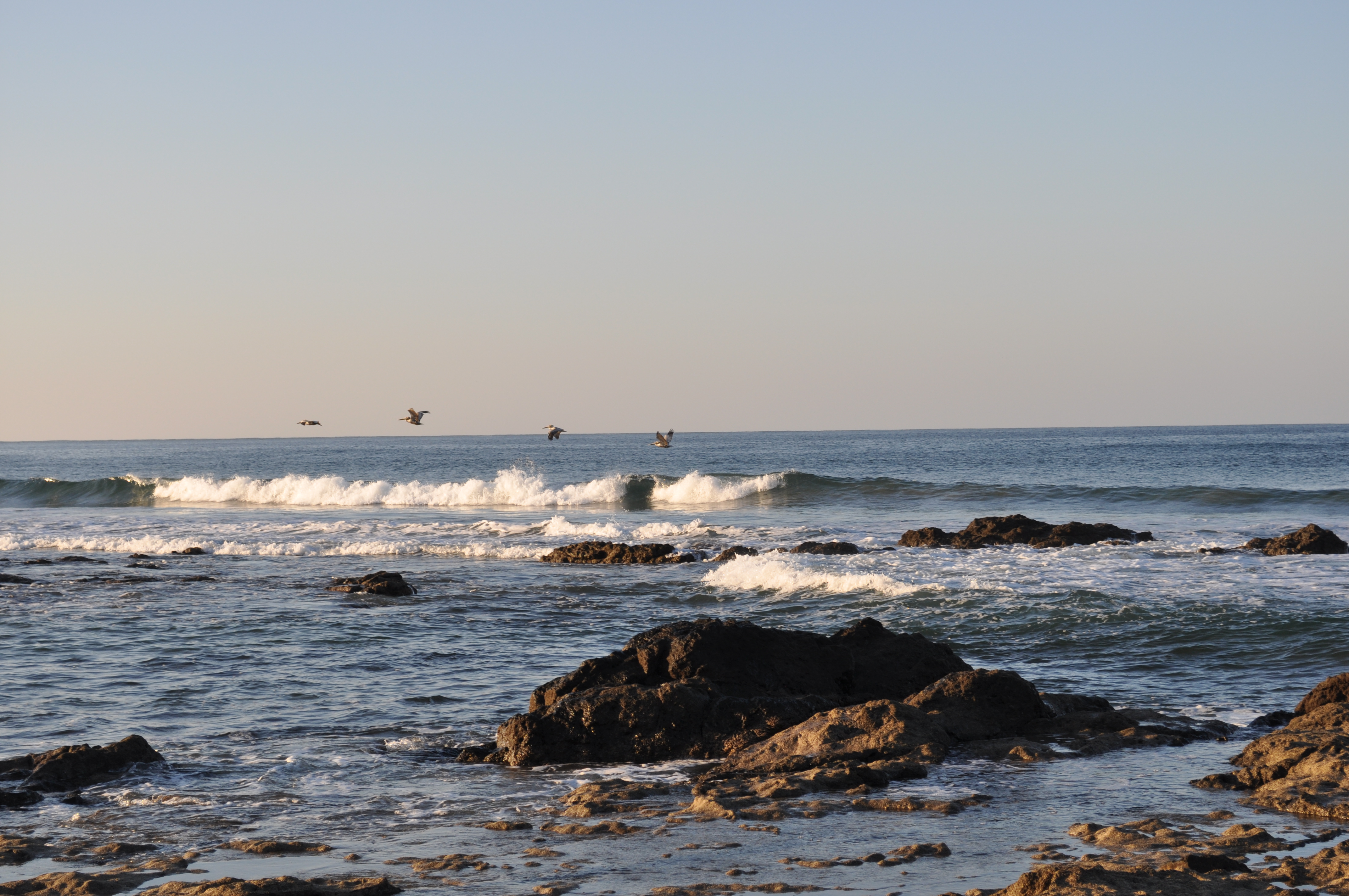
Photographed by Chae-Pyong Song

A Flock of Birds Transcribed by Wi Sun-hwan

In this season of migration–I write.
A flock of birds flies in, another flies out; that’s the blank space–
I write.

Facing each other, two flocks flying, crashing head-on,
striking their beaks, foreheads, ribs, wings–
I write.

Colliding birds, shot-through birds,
birds pierce through other birds–
I write.

Flocks shoot through flocks–I write.
They’ve already pierced through each other
when the flying flocks look back–
I write.

Birds and flocks are intact, none wounded,
no scrap of flesh, no bit of broken bone,
no feather fallen off the wings–
I write.

In the air, a bird’s body becomes empty–
a flock’s large body also becomes empty;
empty bodies pierce through each other,
so all is a blank space–
I write.

(Originally published in New Writing from Korea, Volume 2, 2009)

Wi Sun-hwan was born in Jangheung, South Jeolla Province. He debuted in 2001 when he published three poems, including “In the Suburbs” in the September issue of Modern Poetry. His poetry collections include The Trees Crossed the River, Tumbling from the Snow-covered Sky, and Copying a Flock of Birds. In Copying a Flock of Birds, the poet describes the unseen, and the world’s unseen dark side. He reveals the trace of a gaze that passes through the world and reaches the unseen, and uncovers a new order of things by comparing the seen and the unseen. The new world that produces the poet’s sharp imagination also measures the meaning and depth of the visible world.

Above the Roofs by Hwang In-suk

Translated by Chae-Pyong Song and Anne Rashid

Photographed by Anne Rashid

Above the Roofs by Hwang In-suk

I look over tiled roofs, slate roofs, concrete roofs,
canvas-covered roofs,
waves of roofs, hills and plains.
I look over every corner,
even the crevasses and caves, folds and gaps
that the roofs embrace.
Wow, if these roofs unfolded,
how many times would they wrap around the earth?
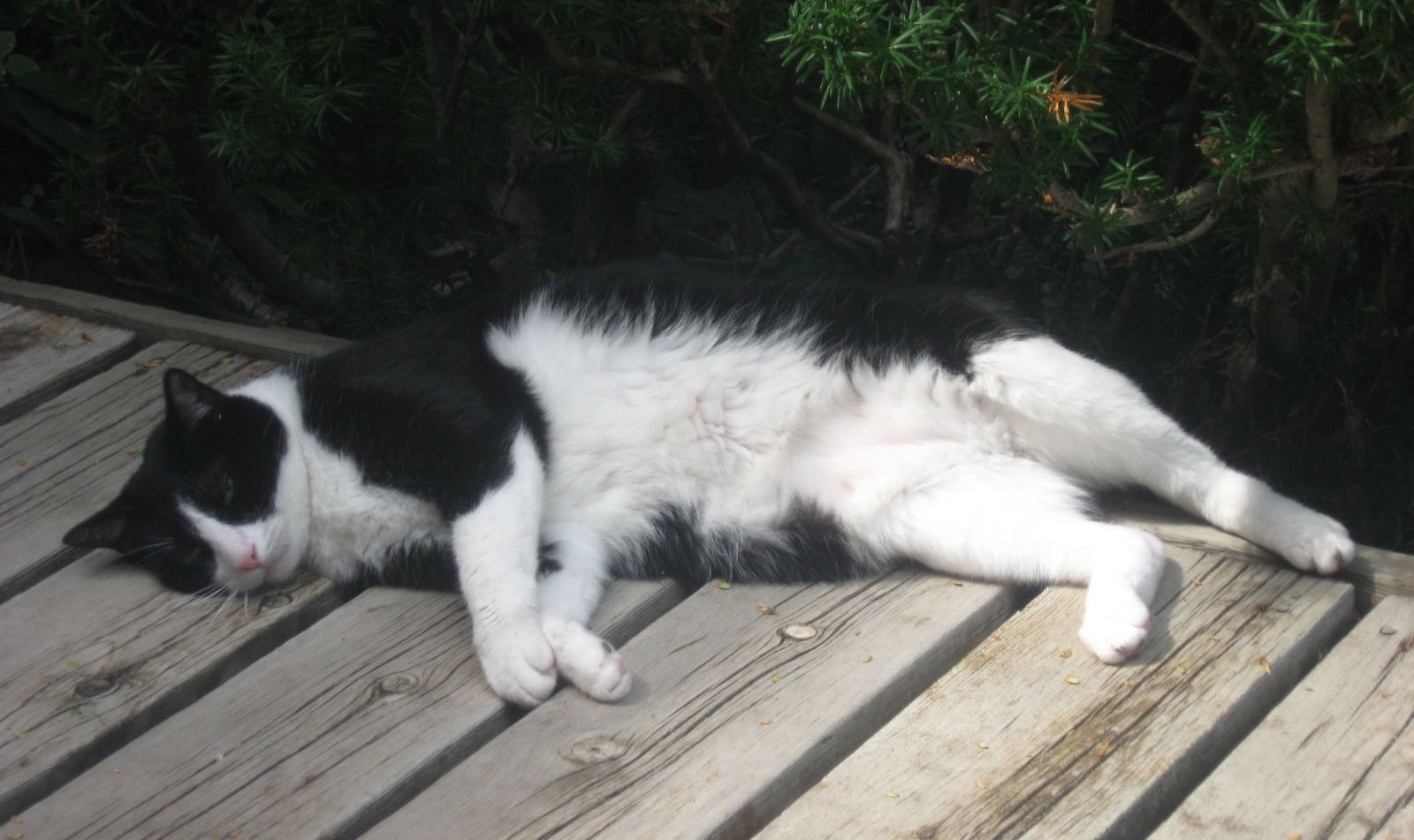
While imagining this, a cat enjoying sun bathing, outstretched on a silvery tent,
lifts up its head to look around as though feeling a gloomy foreboding,
and fixes its gaze upon me.
It appears to be in a bad mood.
Don’t worry, my body feels too heavy
to share your space.
Cats are users of empty air spaces.
The energy circulating inside their bodies
sends them up and up
and leads them to discover this vast territory.
Cats, addicts of adrenaline,
find thrill in tilted roofs, wobbly ceilings,
in other words, slantedness,
and empty spaces between roofs.
As if roofs give birth to cats,
up and up the cats soar to the roofs.

In this city where back alleys have disappeared,
on the back alleys above the roofs, on these alleys above, so to speak,
gently I place my breath.

(Originally published in New Writing from Korea, Volume 2, 2009)

They Will Wake Up to Laughter by Hwang In-suk

Translated by Chae-Pyong Song and Anne Rashid

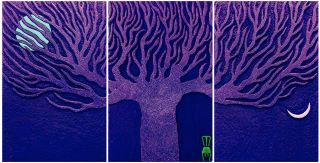
Painted by Jung Jeong-im

They Will Wake Up to Laughter by Hwang In-suk

In an unfamiliar house, with an unfamiliar family, at an unfamiliar dining table,
suddenly there I am,
only I feel ill at ease.
These people don’t mind me
and continue to dine.
Feeling estranged, I ask myself if this is a dream.
Reflecting back, I realize it is a dream
Though I know it is, I still feel uncomfortable,
so uncomfortable I feel as though it cannot be

How strange would the people of that world live?
Suddenly someone appears and disappears.

Next time I will burst,
burst into loud laughs.

They will wake up,
and stare at me.

Look, the moon is urinating.
Even the other side of the grave will get wet.

(Originally published in New Writing from Korea, Volume 2, 2009)

Painted by Jung Jeong-im

Ran, My Former Cat by Hwang In-suk

Translated by Chae-Pyong Song and Anne Rashid

Photographed by Anne Rashid

Ran, My Former Cat by Hwang In-suk

I didn’t know where you came from.
Always all of a sudden
you appeared
at a time when nobody was around,
at a time when time belonged to nobody,
hanging about the roof of a rented house
as if from inside my heart,
as if from the edge of the moon
with a small half-cry,
you appeared.

You ate as if for me only.
In a china bowl, your food tinkled
and then you lapped water a bit
as if for me only.
You used a sandbox.
Though I wanted to seize and hold you,
I couldn’t do that.
With small cries
suddenly you hid yourself.
While playing hide and seek, I felt drowsy
but sleep didn’t come.

It was before day broke.
By chance I saw
the way you walked like a tired night
on the long wall beyond two roofs.
The wall had an off-limits sign on it.
You stopped for a moment
and glanced toward me.
You looked for a moment, walking shakily.
You looked so lonesome.
But, oh, your body that embodied geometry
lightly drew a straight line
from where the wall curved
and you disappeared instantly.
In that moment cicadas chirred everywhere.
In that moment, the day brightened.
In that moment, tears welled up.
You went away, over
to a place where you couldn’t invite me.
From far beyond you came.
You looked so lonesome;
I was so lonesome.

(Originally published in New Writing from Korea, Volume 2, 2009)

Hwang In-suk was born in Seoul in 1958. She debuted in 1984 with “I’ll Be Reborn as a Cat” in the Kyunghyang Daily Spring Literature Contest. She was awarded the Dongseo Literary Award and the Kim Su-Young Literary Award.

Flu by Kim Hye-soon

Translated by Chae-Pyong Song

Flu by Kim Hye-soon 

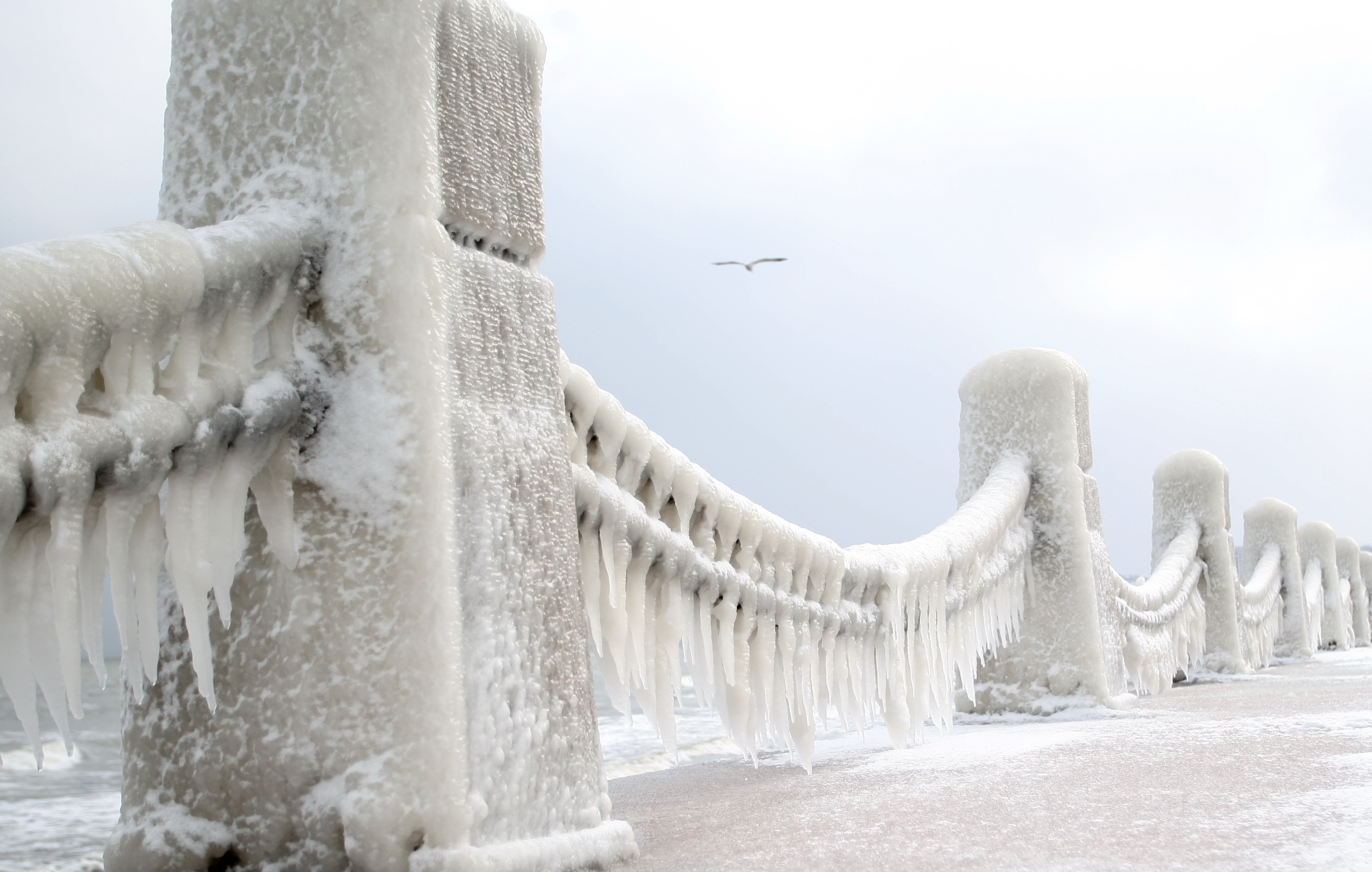
We looked at each other in the other world
as if I existed inside the black and white picture he was looking down from.

Inside his picture I always felt cold.
Coughing trees were standing along the river, hacking away.

Whenever I awoke, I was always climbing a snowy mountain.

After narrowly making it around a corner, there were still vast white snow fields
and endless cliffs that dropped sharply from the edge.

That evening I looked out at his eyes, wide open like a frozen sky.

A rumor spread that a ghost with the flu was coming to the village.
At every chimney, clouds shook their bodies.

He is not in my body, because I drove him out.

With an avalanche in my heart I shivered for more than an hour.

As coughing trees shook down snowballs,
jagged ice shot out from the open valley.

Barefaced, I was sitting on a frozen bench,
withstanding the wind, with quivering lips.

I wanted to escape from this frame he was looking down from.

(Originally published in Azalea: Journal of Korean Literature and Culture, Volume 3, 2010)

Kim Hye-soon’s writing career began in 1979 when she published five poems, including “A Smoking Poet,” in the quarterly magazine Literature and Intelligence. Her publications include the collections From Another Constellation; A Scarecrow Father Built; A Star’s Hell; My Upanishad, Seoul; Poor Love Machine; and Calendar Factory, Factory Supervisor, Please Look. Recently she won the Daesan Literature Award for her latest collection of poems, Your First (2008). She currently teaches creative writing at Seoul Institute of the Arts.