October by Moon In-soo

Translated by Chae-Pyong Song and Anne Rashid

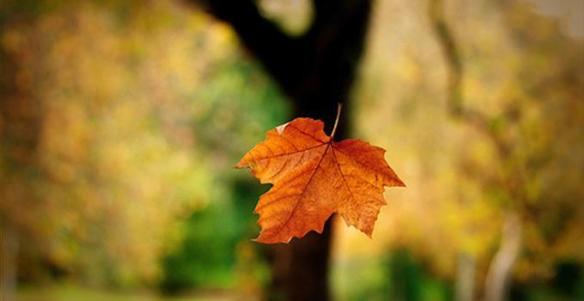
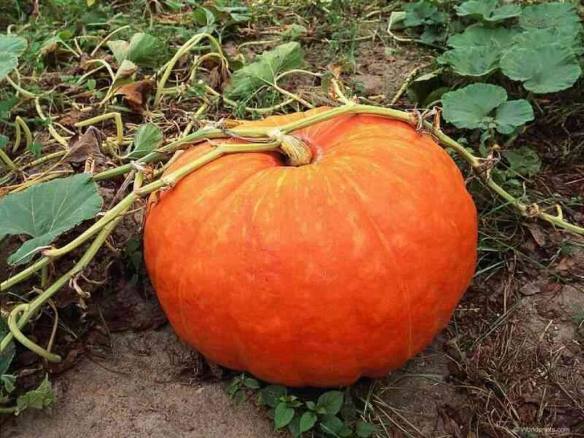
pumpkin

October by Moon In-soo

The spot I picked up the pumpkin,
the pumpkin had sat, pressing down the ground.
The center of autumn
caved in.
For awhile, I will suffer this way.

10월/문인수

호박 눌러 앉았던, 따 낸
자리.
가을의 한복판이 움푹
꺼져 있다.
한동안 저렇게 아프겠다.

출전: 시집, “동강의 높은 새” (세계사, 2000)

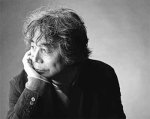
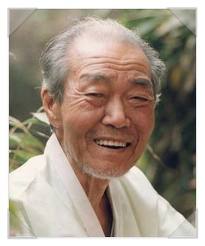
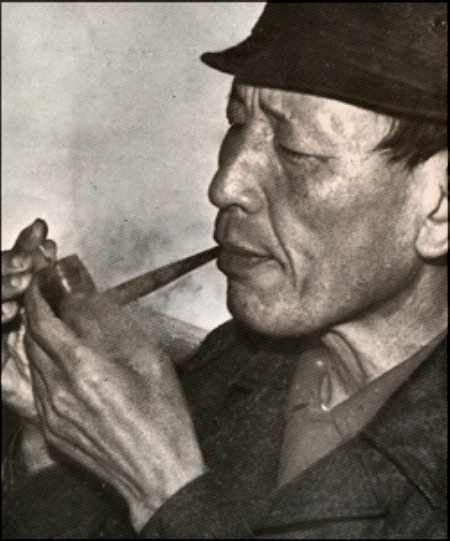
mooninsoophotoMoon In-soo (1945-) was born in Sungju, Gyeongsangbuk-do. He studied Korean literature at Dongkuk University in Seoul. He made his debut when he was forty two years old. He published such poetry collections as All the Roads In the World Lead To Home (1992), The Horn (1992), The Nesting Mountain (1999), Shhh! (2006), Umbilical Cord (2008) andThe Sound of Silence (2012). His prestigious literary awards include the Kim Dal-jin Literary Award (2000), the No Jak Literary Award (2003), and the Meedang Literary Award (2007).

This Azure Day by Seo Jung-ju

Translated by Chae-Pyong Song and Anne Rashid

Photography by Peter Park

Photography by Peter Park

This Azure Day by Seo Jung-ju

On this blindingly azure day,
let us long for those we miss.

There, where autumn flowers sit,
green has given in to red.

Let the snow fall.
Let spring return.

What if you are alive when I die?
What if I am alive when you die?

On this blindingly azure day,
let us long for those we miss.

푸르른 날/서정주(1915~2000)

눈이 부시게 푸르른 날은
그리운 사람을 그리워하자.

저기 저기 저, 가을 꽃 자리
초록이 지쳐 단풍 드는데

눈이 내리면 어이하리야
봄이 또 오면 어이하리야

내가 죽고서 네가 산다면!
네가 죽고서 내가 산다면?

눈이 부시게 푸르른 날은
그리운 사람을 그리워 하자.

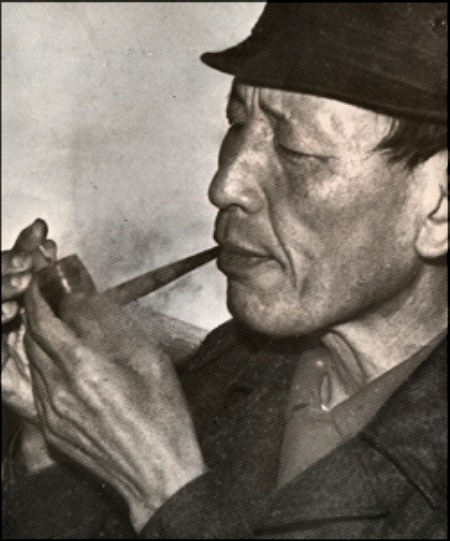
seojungjuphotoSeo Jeong-ju (1915 – 2000) was born in Gochang, Jeollabuk-do. He is considered the founding father of modern Korean poetry. Under the pen name Midang, he published at least 15 collections of poetry. He taught Korean literature at Chosun University, among others. He was also nominated five times for the Nobel Prize in literature. His grandmother’s stories and his interest in Buddhism had a strong influence upon his writing. His works have been translated into a number of languages, including English, French, Spanish and German.

The Self-portrait by Seo Jung-ju

Translated by Chae-Pyong Song and Anne Rashid

The Self-portrait by Seo Jung-ju

Father was a servant; he did not come home, though the night was dark.
All that were left standing were my grandmother, aged like a leek root,
and one flowering date tree.
While pregnant, Mother said she wanted to eat a green apricot, just one.
Beneath the lamplight, within earthen walls withstanding the wind,
is this mother’s son with blackened nails.
They say I take after the thick hair and big eyes of Grandfather,
who went out to sea in the year of the Kabo Reform
and never returned.

The last twenty-three years, the wind has raised eighty percent of me.
The more I see the world, the more shameful it is.
Some read a sinner in my eyes;
others read an imbecile on my lips.
But I will regret nothing.

Even on the morning that rises brilliantly,
the dew of poetry dangling upon my forehead
is always mixed with a few drops of blood.
Through light and shade, I have come this far,
panting like a sick dog, tongue lolling.

자화상/서정주

애비는 종이었다. 밤이 깊어도 오지 않았다.
파뿌리같이 늙은 할머니와 대추꽃이 한 주 서 있을 뿐이었다.
어매는 달을 두고 풋살구가 꼭 하나만 먹고 싶다 하였으나……
흙으로 바람벽 한 호롱불 밑에
손톱이 까만 에미의 아들
갑오년(甲午年)이라든가 바다에 나가서는 돌아오지 않는다 하는
외할아버지의 숱 많은 머리털과
그 커다란 눈이 나는 닮았다 한다.

스물세 해 동안 나를 키운 건 팔할(八割)이 바람이다.
세상은 가도가도 부끄럽기만 하드라.
어떤 이는 내 눈에서 죄인(罪人)을 읽고 가고
어떤 이는 내 입에서 천치(天痴)를 읽고 가나
나는 아무것도 뉘우치진 않을란다.

찬란히 티워 오는 어느 아침에도
이마 위에 얹힌 시(詩)의 이슬에는
몇 방울의 피가 언제나 섞여 있어
볕이거나 그늘이거나 혓바닥 늘어뜨린
병든 수캐마냥 헐떡거리며 나는 왔다.
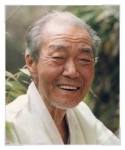
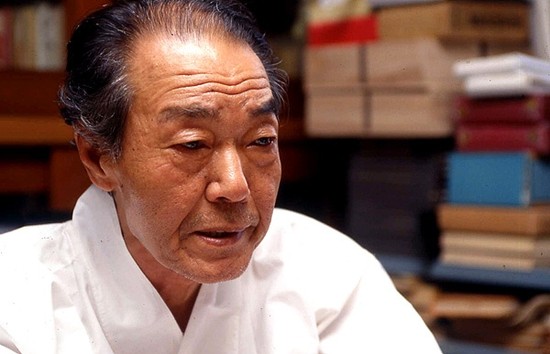
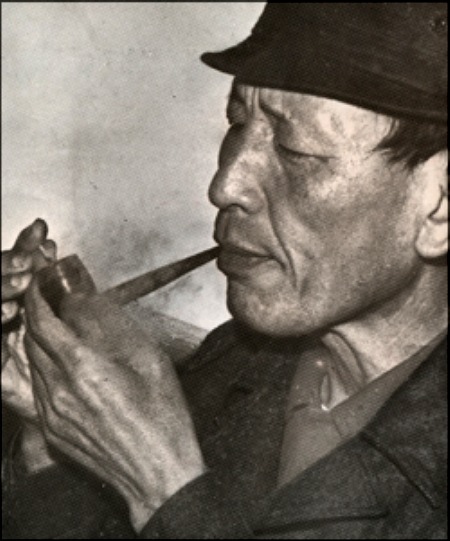
Seo Jeong-ju (1915 – 2000) was born in Gochang, Jeollabuk-do. He is considered the founding father of modern Korean poetry. Under the pen name Midang, he published at least 15 collections of poetry. He taught Korean literature at Chosun University, among others. He was also nominated five times for the Nobel Prize in literature. His grandmother’s stories and his interest in Buddhism had a strong influence upon his writing. His works have been translated into a number of languages, including English, French, Spanish and German.
Bucket of Water by Kim Jong-sam

Translated by Chae-Pyong Song and Anne Rashid

Painted by Kim Seon-soo

Bucket of Water by Kim Jong-sam

The organ music in the distance
is breaking up.

What have you done?

To that question, I respond:
I have searched for nothing other than humans
and carried a few buckets of water to them.

At the heart of the distant wilderness,
below the shallow sky
the bright sun shines,
except on the earth.

물 통/김종삼

희미한
풍금 소리가 툭 툭 끊어지고
있었다

그 동안 무엇을 하였느냐는 물음에 대해

다름 아닌 인간을 찾아다니며
물 몇 통 길어다 준 일밖에 없다고

머나먼 광야의 한복판 얕은
하늘 밑으로
영롱한 날빛으로
하여금 따우에선

시선집 『북 치는 소년』, 민음사

Kim Jong-sam (1921-1984) was born in Eunryul, Hwanghaedo, North Korea. He was known for short poems that use gaps and breaks. His poetry collections include The Poets’ SchoolThe Drummer BoySomeone Asked Me, and Live with a Loud Voice and Shout.

The Drummer Boy by Kim Jong-sam

Translated by Chae-Pyong Song and Anne Rashid

The Drummer Boy by Kim Jong-sam

Like beauty without substance,

like a beautiful Christmas card
sent from a western country
to a poor child,

like sleet
glittering on the lambs’ backs

북 치는 소년/김종삼

내용 없는 아름다움처럼

가난한 아이에게 온
서양 나라에서 온
아름다운 크리스마스 카드처럼

어린양(羊)들의 등성이에 반짝이는
진눈깨비처럼

Kim Jong-sam (1921-1984) was born in Eunryul, Hwanghaedo, North Korea. He was known for short poems that use gaps and breaks. His poetry collections include The Poets’ SchoolThe Drummer BoySomeone Asked Me, and Live with a Loud Voice and Shout.


The Suwannee River and The Jordan River by Kim Jong-sam

Translated by Chae-Pyong Song and Anne Rashid

The Suwannee River and The Jordan River by Kim Jong-sam

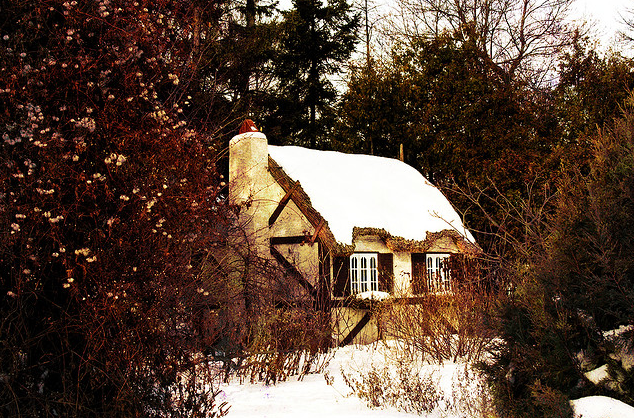
That year tons of snow fell. A young boy
was living in the thatched-roof cottage.
He had heard that somewhere
are the Suwannee River and the Jordan River.
Lots of snow fell and accumulated.
When the wind rustled and he got bored,
he only longed for a distant village,
and a man walked past him
beyond the mounds of snow like in a picture.

스와니강이랑 요단강이랑/김종삼

그 해에 눈이 많이 나리었다. 나이 어린
소년은 초가집에서 살고 있었다.
스와니강이랑 요단강이랑 어드메 있다는
이야길 들은 적이 있었다.
눈이 많이 나려 쌓이었다.
바람이 일면 심심하여지면 먼 고장만을
생각하게 되었던 눈더미 눈더미 앞으로
한 사람이 그림처럼 앞질러 갔다.

Kim Jong-sam (1921-1984) was born in Eunryul, Hwanghaedo, North Korea. He was known for short poems that use gaps and breaks. His poetry collections include The Poets’ SchoolThe Drummer BoySomeone Asked Me, and Live with a Loud Voice and Shout.


The Fisherman by Kim Jong-sam

Translated by Chae-Pyong Song and Anne Rashid

The Fisherman by Kim Jong-sam

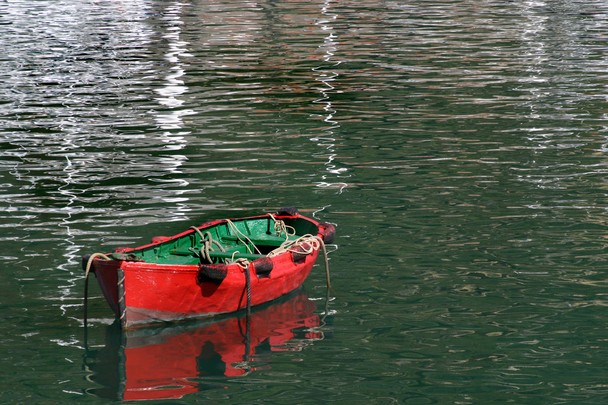
The small fishing boat
tied to the seaside
sways everyday.
Sometimes it is turned over by a storm.
It awaits a bright day
so it can paddle out afar,
become the man in Hemingway’s The Old Man and The Sea,
and murmur:

“The miracle of having lived so far
becomes the miracle to live on;
there is much pleasure if you keep on living.”

어부/김종삼

바닷가에 매어둔
작은 고깃배
날마다 출렁거린다
풍랑에 뒤집힐 때도 있다
화사한 날을 기다리고 있다
머얼리 노를 저어 나가서
헤밍웨이의 바다와 노인이 되어서
중얼거리려고

살아온 기적이 살아갈 기적이 된다고
사노라면
많은 기쁨이 있다고

Kim Jong-sam (1921-1984) was born in Eunryul, Hwanghaedo, North Korea. He was known for short poems that use gaps and breaks. His poetry collections include The Poets’ School, The Drummer Boy, Someone Asked Me, and Live with a Loud Voice and Shout.

An Early Winter Letter by Kim Yong-taek

Translated by Chae-Pyong Song and Anne Rashid

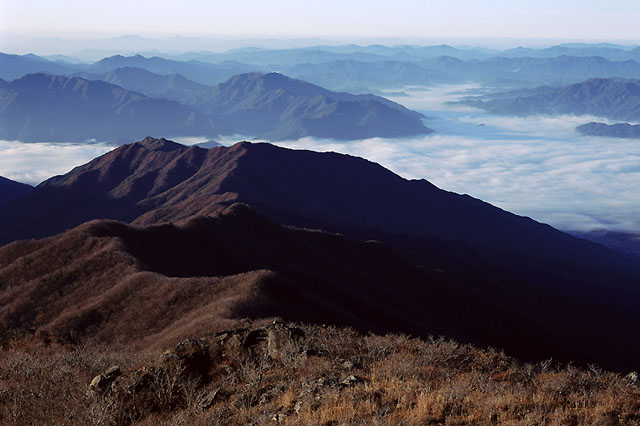
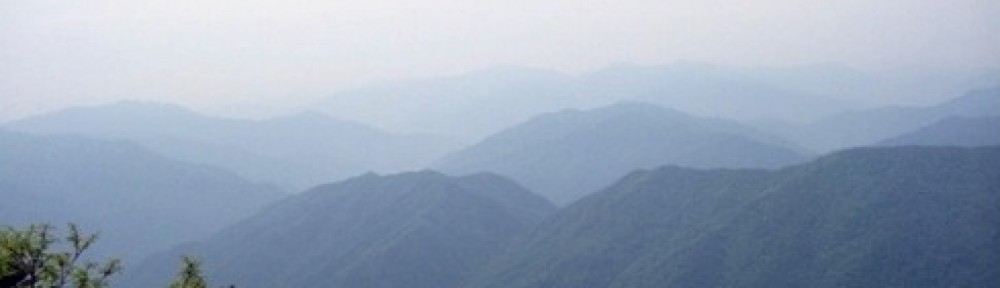
Jiri Mountain; photography by Ha Sung-mok

An Early Winter Letter by Kim Yong-taek

Lovely leaves
have all been shed
from the mountain ahead of me.
Longing for the empty mountain,
white snow
might fall
upon the river.

Before the snow falls,
I would love to see you.

초겨울 편지/ 김용택

앞산에
고운 잎
다 졌답니다
빈 산을 그리며
저 강에
흰눈
내리겠지요

눈 내리기 전에
한번 보고 싶습니다

Kim Yong-taek (1948- ) was born in Imsil, Jeollabuk-do. With lyrical (often regional) vernacular, he has written many poems about undamaged agricultural communities and the profound beauty of nature. His poetry collections include The Sumjin River, A Clear Day, Sister, The Day Is Getting Dark, The Flower Letter I Miss, Times Like A River, That Woman’s House, and Your Daring Love. He also published essay collections such as A Small Village,What’s Longed for Exists behind the Mountain, A Story of the Sumjin River, and Follow the Sumjin River and Watch. He was awarded the Kim Soo-young Literary Award (1986) and the Sowol Poetry Award (1997). He currently teaches at Woonam Elementary School.

The Winter Tree by Lee Jae-mu

Translated by Chae-Pyong Song and Anne Rashid

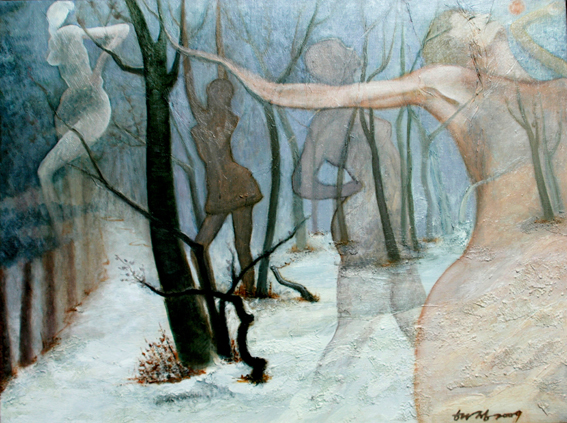
Painted by Heo Hae-jung

The Winter Tree by Lee Jae-mu

When leaves were thick,
I couldn’t see clearly.
Even the sky was covered
and the area around my feet was dark.
The leaves fell when the frost descended.
With stems and branches only, I have endured
a time punctured with holes all over,
and have been stricken by wind.
Now I can see an old friend in the far off distance
and my good neighbor coming closer.
The winter tree is lonely and thus, strong.

겨울나무/이재무

이파리 무성할 때는
서로가 잘 뵈지 않더니
하늘조차 스스로 가려
발밑 어둡더니
서리 내려 잎 지고
바람 매 맞으며
숭숭 구멍 뚫린 한 세월
줄기와 가지로만 견뎌보자니
보이는구나, 저만큼 멀어진 친구
이만큼 가까워진 이웃
외로워서 단단한 겨울나무

Love: Making a Long Distance Phone Call by Moon In-soo

Translated by Chae-Pyong Song and Anne Rashid

Photography by Na Mari

Love: Making a Long Distance Phone Call by Moon In-soo

So it’s raining over there?
It’s bright and sunny here.
Your sadness dries up little by little.
I am slowly getting drenched.

사랑, 오래 통화 중인 것/문 인 수

그곳은 비 온다고?
이곳은 화창하다.
그대 슬픔 조금, 조금씩 마른다.
나는, 천천히 젖는다.

Moon In-soo (1945-) was born in Sungju, Gyeongsangbuk-do. He studied Korean literature at Dongkuk University in Seoul. He made his debut when he was forty two years old. He published such poetry collections as All the Roads In the World Lead To Home (1992), The Horn (1992), The Nesting Mountain (1999), Shhh! (2006), Umbilical Cord (2008) and The Sound of Silence (2012). His prestigious literary awards include the Kim Dal-jin Literary Award (2000), the No Jak Literary Award (2003), and the Meedang Literary Award (2007).